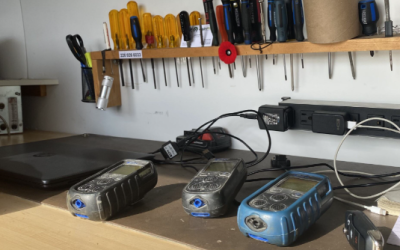

The U.S. Environmental Protection Agency (EPA) has developed a set of regulations designed to reduce emissions of volatile organic compounds (VOC) and volatile air pollutants (VHAP). These regulations, known as leak detection and repair (LDAR) procedures, are essential for businesses that deal in petroleum and chemicals. Any organization that handles these potentially hazardous substances is required to comply strictly with EPA LDAR regulations. Hetek Solutions offers a brief explanation of the regulations and some of the tools and methods you can use to ensure compliance.
The Five Elements of Complying with EPA LDAR Regulations
Although the EPA has developed the LDAR program to be generally applicable, in practice, requirements vary from state to state and are often specific to each company. That being said, all LDAR programs share five core elements:
Identifying Failing Components
Under the LDAR program, each component in petroleum or chemical distribution and storage systems must be individually identified and assigned an ID. The physical location is verified, and components should ideally be logged and tracked using a computerized maintenance management system (CMMS). This allows ongoing monitoring and faster repair or replacement when leaks occur.
Defining What Constitutes a Leak
Each organization must define what qualifies as a leak. The EPA does not prescribe a universal definition, but requires companies to establish fixed parameters that all teams follow. In LDAR programs, a leak refers to any detected elevation in concentration levels of certain high-risk substances above a specified threshold. Thresholds vary depending on the regulation, component type, and substance being measured.
The Hetek Flow Sampler is designed specifically for this purpose. It is portable, battery-powered, and intrinsically safe, making it ideal for both large industrial facilities and confined spaces. Using a high-flow sampling method, it captures all gases escaping from a component, allowing precise measurement of flow rate and concentration.
Monitoring Components That Need Repairing
A monitoring and maintenance schedule should be established to check each identified component for signs of leaks. Monitoring intervals must align with expected lifespans and performance parameters.
Repairing Components
When leaks are detected, repairs must be completed within a specified timeframe. The first repair attempt should ideally occur within five days of detection.
Recordkeeping
All monitoring, maintenance, and repair activities must be scheduled and recorded in the CMMS so they can be reviewed and referenced when needed.
Hetek Solutions Inc. can help companies ensure compliance with EPA LDAR regulations. Contact us for more information on our products and solutions developed for precise, compliant leak detection and repair.