Methane gas is a common hazard in many industrial environments, especially in confined spaces such as pipelines, tanks, sewers, and utility vaults. Because methane is both highly flammable and capable of displacing oxygen, workers must be able to detect it quickly and accurately to prevent fires, explosions, and suffocation risks.
At Hetek Solutions, we help municipalities, utilities, and industrial operators stay safe with reliable gas detection equipment and professional calibration services. This guide explains how methane gas is detected, what tools are used, and how to ensure your team stays protected.
Why Methane Gas Detection Matters
Methane (CH4) is a colourless, odourless gas. While not toxic on its own, it becomes extremely dangerous when it accumulates:
- Explosion risk: Methane is highly flammable and can ignite at concentrations between 5% and 15% in air.
- Oxygen displacement: High methane levels reduce oxygen concentration, leading to dizziness, unconsciousness, or suffocation.
- Environmental impact: Methane is a potent greenhouse gas with significant climate implications.
Because methane cannot be seen or smelled, workers rely entirely on gas detection instruments to identify unsafe conditions.
How Methane Gas Is Detected
Modern gas detectors use advanced sensor technologies to identify methane in the air. The most common methods include:
Catalytic Bead Sensors
These sensors detect combustible gases by oxidizing methane on a heated bead. The reaction changes the bead’s resistance, which the detector interprets as gas concentration.
- Reliable for detecting flammable gases
- Requires oxygen to function
- Can be affected by sensor poisons
Infrared (IR) Sensors
Infrared sensors measure how methane absorbs infrared light. This method is highly accurate and ideal for environments where catalytic sensors may fail.
- No oxygen required
- Less prone to false alarms
- Excellent long-term stability
Photoionization Detectors (PID)
PIDs are not typically used for methane because methane has a high ionization potential. However, they are useful for detecting other volatile organic compounds (VOCs) that may be present alongside methane.
Best Tools for Detecting Methane Gas
Hetek provides a range of portable and fixed gas detection solutions suitable for methane monitoring:
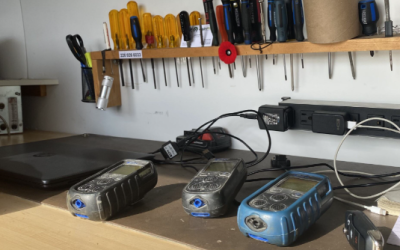
PS200 Portable 4-Gas Monitor
Detects methane (LEL), oxygen (O2), carbon monoxide (CO), and hydrogen sulfide (H2S). Optional internal pump available for pre-entry checks.
PS500 Portable 5-Gas Monitor
Configurable to detect methane and additional gases depending on your work environment.
Both devices can be tested, calibrated, and charged using Auto Bump/Calibration (ABC) stations.
Explore our full range of personal safety monitors here:
Personal Gas Monitors
How to Test for Methane Gas Before Entering a Confined Space
Before entering a confined space, workers must perform a pre-entry gas test using a portable gas detector with an internal pump. This ensures the atmosphere is safe before anyone enters.
Follow these steps:
- Inspect and bump test the instrument
- Zero the detector in fresh air
- Use the pump to draw air samples from the confined space
- Check readings for methane, oxygen, and other gases
- Verify alarms and ensure proper response procedures are understood
Maintaining Gas Detection Accuracy
Even the best gas detectors require regular calibration to ensure accurate readings. Sensor drift, environmental conditions, and exposure to contaminants can affect performance.
Hetek provides professional calibration services performed by manufacturer-trained technicians. We offer:
- In-lab calibration
- On-site mobile calibration
- Calibration certificates for compliance
Learn more about our calibration services:
Gas Detector Calibration
Conclusion
Methane gas detection is essential for protecting workers in confined spaces and industrial environments. By choosing the right detection equipment, performing regular testing, and ensuring proper calibration, organizations can significantly reduce safety risks.
Contact Hetek to equip your team with reliable methane detection solutions backed by more than 65 years of safety expertise.