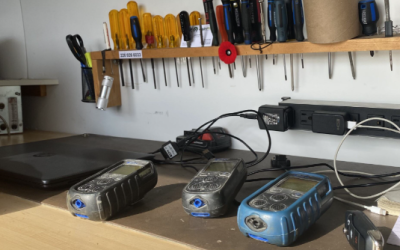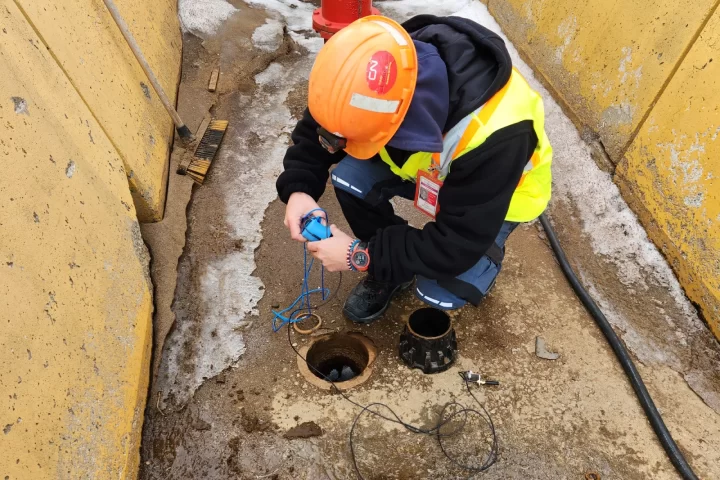
You work in environments where precision protects people, assets, and uptime. One misread, one ignored alert, one sensor drifting quietly out of range can change a normal shift into a reportable incident. That is why gas detection sensors sit at the centre of modern industrial safety programs. They act like your early-warning radar, scanning continuously while crews focus on operations, maintenance, and output.
This article speaks to you as a technician, supervisor, safety lead, or operations manager. You want clarity. You want confidence. You want tools that perform as promised when conditions turn unforgiving. We will walk through how industrial gas detection sensors function, why calibration training shapes outcomes, where failures begin, and how skilled technicians validate accuracy in the field. Expect clear language, practical framing, and business-casual insight that respects your expertise.
Because safety has no margin for guesswork.
Key Takeaways:
- Gas detection sensors protect people and operations only when technicians understand how each sensor technology works, how it responds in real environments, and how to maintain accuracy over time.
- Calibration training reduces false alarms, prevents instrument drift, and strengthens audit readiness by ensuring every reading reflects actual exposure conditions.
- Certified, well-trained operators extend sensor lifespan, improve response confidence, and turn gas detection programs into dependable safety systems rather than reactive tools.
How Industrial Gas Detection Sensors Work
Industrial gas detection sensors convert chemical exposure into measurable signals. Each sensing technology responds differently based on the gas type, concentration, temperature, humidity, and environmental interference. When you understand how each sensor reads the world, you gain sharper judgment in selection, setup, and maintenance.
Electrochemical Sensors
Electrochemical sensors measure gas concentration through a chemical reaction that generates an electrical current. The current strength aligns directly with the amount of target gas present.
You see these sensors widely used for toxic gases such as carbon monoxide, hydrogen sulfide, sulfur dioxide, ammonia, and nitrogen dioxide. They deliver high sensitivity at low concentrations, making them reliable for worker exposure monitoring.
Their strengths include:
- Accurate low-level detection
- Low power consumption
- Stable readings in controlled conditions
Their limits show up when temperature swings, humidity spikes, contamination builds, or calibration schedules slip. Without training, these sensors may appear healthy while drifting slowly away from accuracy.
Infrared Sensors
Infrared sensors detect gas by measuring how specific wavelengths of infrared light get absorbed as gas passes through the optical path. Each gas absorbs light differently, creating a clear fingerprint.
These sensors work well for hydrocarbons and carbon dioxide. They shine in environments where oxygen levels vary since their readings do not depend on oxygen presence.
Advantages include:
- Long service life
- Resistance to poisoning
- Stable performance in harsh environments
They demand proper alignment, clean optics, and periodic verification. Dust, condensation, and vibration affect reliability if technicians skip inspection discipline.
Catalytic Bead Sensors
Catalytic bead sensors identify combustible gases through oxidation. Gas contacts a heated bead coated with catalyst material, producing heat that changes electrical resistance. The change signals gas presence.
These sensors remain common in combustible gas monitoring for industrial sites. They react quickly and provide dependable lower explosive limit measurements when maintained well.
Challenges include:
- Sensitivity to poisoning from silicones, sulfur compounds, lead vapours
- Dependence on oxygen presence
- Regular calibration demands
Without hands-on training, teams may trust readings that no longer reflect actual risk.
Why Calibration Training Is Critical
[/et_pb_text][et_pb_image src=”https://www.hetek.com/wp-content/uploads/2025/11/How-Gas-Detection-Sensors-Stay-Accurate-in-the-Field.webp” alt=”How Gas Detection Sensors Stay Accurate in the Field” title_text=”How Gas Detection Sensors Stay Accurate in the Field” _builder_version=”4.27.5″ _module_preset=”default” global_colors_info=”{}”][/et_pb_image][et_pb_text _builder_version=”4.27.5″ _module_preset=”default” global_colors_info=”{}”]
Calibration training turns equipment ownership into operational confidence. Sensors leave factories calibrated under controlled conditions. Field reality looks different. Temperature shifts, pressure changes, contaminants, vibration, and aging all push sensors away from baseline.
Training equips technicians to manage these forces rather than react to alarms after exposure.
Bump Testing Requirements
Bump testing verifies sensor response using a known gas concentration. It answers one question quickly: does the sensor respond at all?
A proper bump test confirms:
- Sensor detects target gas
- Alarms activate at correct thresholds
- Audible, visual, and vibratory alerts function
Technicians learn timing, gas flow rates, regulator selection, and pass criteria. Skipping these steps invites silent failures that remain hidden until exposure occurs.
Avoiding Instrument Drift and False Alarms
Instrument drift creeps in slowly. Sensors age. Electrodes degrade. Optical paths cloud. Catalysts weaken. Readings remain steady while accuracy slips.
False alarms create different damage. Crews lose trust. Alerts get ignored. Response times slow.
Calibration training teaches you to:
- Recognize early drift indicators
- Interpret calibration curves
- Adjust settings within manufacturer tolerances
- Document outcomes for audit readiness
This skill set protects credibility across safety, operations, and leadership.
Hetek’s Instrument Operator Certification Programs
Hetek delivers instrument operator certification aligned with real industrial demands. Programs cover leading manufacturers including Hetek systems, GMI Teledyne, Honeywell, and RAE instruments. Training balances classroom clarity with field realism.
Skills Gained
Certified technicians develop capabilities that translate directly into safer sites and smoother audits:
- Sensor technology selection based on gas profile
- Proper startup, calibration, bump testing, and shutdown procedures
- Fault diagnosis using manufacturer diagnostics
- Environmental impact assessment on readings
- Accurate documentation aligned with regulatory expectations
These skills reduce downtime, limit incident exposure, and support consistent compliance.
Certification Value for Industrial Operations
Certification delivers more than credentials. It builds operational trust. Supervisors know readings reflect reality. Safety teams gain defensible records. Leadership sees reduced risk tied to measurable training investment.
Certified operators contribute to:
- Lower false alarm rates
- Faster incident response
- Stronger inspection outcomes
- Longer instrument service life
Training pays for itself through avoided failures.
Common Causes of Gas Detection Failure
Most gas detection failures trace back to predictable causes. None arrive suddenly. Each grows through oversight.
Common contributors include:
- Skipped bump testing schedules
- Improper calibration gas selection
- Environmental exposure beyond sensor rating
- Sensor poisoning through chemical contact
- Battery degradation reducing response accuracy
- Software configuration errors
- Poor storage conditions between uses
Failure often hides behind normal-looking displays. Training sharpens your ability to spot warning signs before exposure escalates.
How Technicians Validate Equipment Accuracy
Validation goes beyond calibration. It confirms trust across real conditions.
Skilled technicians follow layered verification steps:
- Visual inspection for damage, corrosion, blocked inlets
- Functional checks across alarms and displays
- Calibration using traceable reference gases
- Cross-checking readings against secondary instruments
- Reviewing historical calibration data for drift patterns
- Documenting results clearly for compliance records
Validation turns instruments into reliable partners rather than hopeful safeguards.
Talk with specialists who understand industrial risk, compliance pressure, and field realities
FAQ
How often should gas detection sensors get calibrated
Calibration frequency depends on manufacturer guidance, usage intensity, and environmental exposure. Many industrial programs follow monthly bump tests with full calibration every three to six months.
Can one sensor type cover all gases
No single sensor detects every gas. Selection depends on target gas properties, concentration range, and site conditions.
Does certification expire
Yes. Re-certification keeps skills current with evolving standards, updated instruments, and revised safety practices.
What happens if sensors fail inspection
Failed sensors require immediate removal from service, re-calibration, repair, replacement, and documentation before redeployment.