Author: Allison Dineen
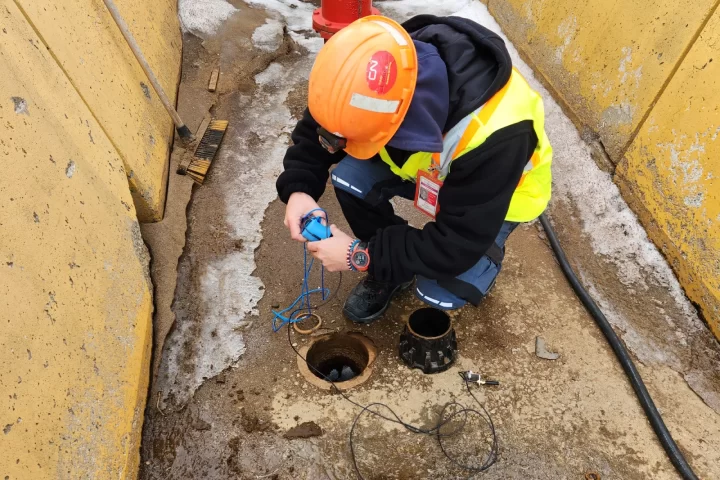
In many industries, such as energy, wastewater, manufacturing, utilities, and more, hazardous gases may be present. This means that workers rely on gas detection equipment for both portable and fixed systems daily. Gas monitors test the gas in the area, ensuring a safe level is present and preventing workers from exposure to dangerous gas. These devices are critical in preventing exposure to combustible gases, oxygen-deficient environments, carbon monoxide, hydrogen sulfide, and other toxic gases that can cause serious health and safety risks. Unsafe gas exposure can lead to severe injury, long-term health issues, explosions, fires, or even fatalities. In many situations, hazardous gases are invisible and odourless, making gas detection equipment one of the only ways workers can identify danger before it becomes life-threatening.
Small changes can lead to serious problems
Gas detection monitors are built to protect workers from dangerous gas exposure. If a sensor is not well-maintained, it may not respond the way it should when hazardous gases are present. This could involve
- Alarms activating late
- Inaccurate gas readings
- Dangerous places believed to be safe
- Shutdowns caused by inaccurate readings
In confined or industrial areas, situations with potential unsafe gas exposure can escalate quickly and lead to serious infrastructure and health risks. Regular calibration checks are an essential maintenance service that confirms equipment responds correctly to known gas concentrations and that alarms trigger when they are supposed to.
Calibration check services provide many functions
Many companies have scheduled calibration checks, not only because regulations require it, but they also serve several functions, such as
- Improve and maintain worker safety
- Extend the functionality of gas detection equipment
- Reduce equipment failures
- Maintain confidence in the equipment
- Catch issues early
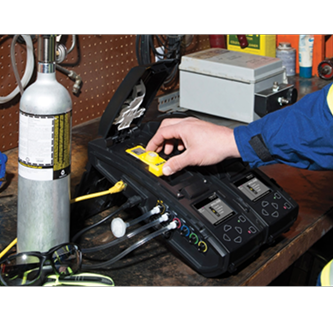
Portable and Fixed systems both need regular checks
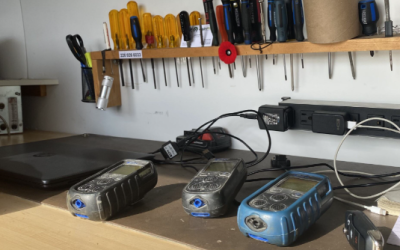
Portable gas monitors and fixed gas detection systems both require routine calibration checks to ensure they continue operating properly and provide accurate, dependable readings. Portable gas monitors are often exposed to changing temperatures, moisture, dirt, impacts, and constant use, which, over time, leads to wear and tear. Fixed gas detection systems also face challenges, as they continuously monitor facilities all day, every day. Both portable and fixed systems face wear and tear, which means both require routine calibration checks to ensure they continue providing dependable readings.
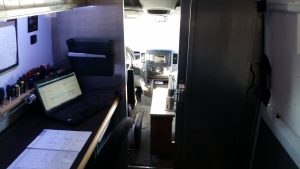 On-Site Calibration
Removing multiple monitors from operation can affect daily workflows, which is why many organizations use mobile calibration services. Hetek operates three repair and service labs in London, ON, St. John’s, NL, and Edmonton, AB; as well as eight mobile calibration and repair vehicles located in Newfoundland and Labrador, Quebec, Ontario, and Alberta. Hetek’s CalCheck team provides calibration and repair services for portable gas detection equipment, fixed gas detection systems, confined space monitors, and personal gas detection instruments. With mobile service capabilities and certified technicians, organizations can keep critical safety equipment operating without unnecessary disruptions.
Safety starts with proper equipment
Gas detection equipment is often the last warning workers receive before conditions become dangerous. When detectors are properly maintained, tested, and calibrated, workers can trust the readings they depend on every day. For organizations looking to improve the reliability and performance of their gas detection systems, Hetek provides certified calibration, repair, and preventative maintenance services tailored to industrial and municipal applications across Canada.
Frequently Asked Questions About Gas Detection Calibration
1. How often should gas detectors be calibrated?
Calibration frequency depends on the manufacturer’s recommendations, the type of work environment, and how often the equipment is used. In many industries, gas detectors are bump tested daily and calibrated on a regular schedule (semi-annual or annually) to ensure accurate performance and compliance with safety requirements.
2. What is the difference between a bump test and a calibration?
A bump test is a quick functional test that exposes the monitor to a known gas concentration to confirm the sensors and alarms are working properly. Calibration is a more detailed process that adjusts the instrument to ensure it provides accurate gas readings.
3. What can happen if gas detection equipment is not calibrated?
Improperly maintained gas monitors may provide inaccurate readings, delayed alarms, or fail to detect hazardous gases altogether. This can increase the risk of worker exposure, fires, explosions, operational shutdowns, equipment damage, and regulatory non-compliance.