At Hetek Solutions, we recognize the importance of promptly addressing gas safety concerns, especially in industries dealing with utilities, contractors, and energy.
In this blog, we’ll get into Leak Detection and Repair (LDAR) programs, shedding light on their significance for industrial environments. Learn more about LDAR, the common types of gas leaks relevant to your industry, know who to call for a gas leak, and how Hetek Solutions can be your trusted partner in ensuring gas safety and compliance.
Key Takeaways
- LDAR programs are essential for industrial gas safety, helping utilities, contractors, and energy facilities identify and address leaks before they create safety, environmental, or compliance risks.
- Knowing who to call and how to respond during a gas leak is critical, as fast reporting to qualified professionals reduces danger and prevents escalation in industrial environments.
- Partnering with experienced LDAR providers like Hetek Solutions strengthens compliance and safety through advanced detection technologies, routine inspections, and expert analysis tailored to industrial operations.
Understanding LDAR for Industrial Gas Safety
Leak Detection and Repair (LDAR) is a systematic and preventive approach crucial for guaranteeing gas safety in industries dealing with utilities, contractors, and energy. The primary focus of gas leak detection and repair programs is to ensure the safety of the environment and the workforce through routine maintenance and inspections.
LDAR specialists play a pivotal role in identifying and addressing potential gas leak dangers early. Manufacturing facilities, refineries, and other industrial environments benefit from LDAR programs, which utilize cutting‑edge technologies and stringent inspection procedures. These programs are designed to align with the specific safety needs and regulatory requirements of your sector.
The Checklist for Identifying Common Types of Gas Leaks in Industrial Settings
In industrial environments, various factors can contribute to gas leaks, and it’s crucial to distinguish between different types to implement effective preventive measures. Here are some typical categories of gas leaks relevant to your industry:
- Worn‑out or damaged pipes: Pipes may deteriorate, crack, or sustain damage over time.
- Malfunctioning appliances: Poorly maintained or malfunctioning gas appliances can be sources of leaks.
- Corrosion: Moisture and environmental elements can corrode pipelines, increasing leak risks.
- Poor installation practices: Incorrect installation can create weak points prone to leaks.
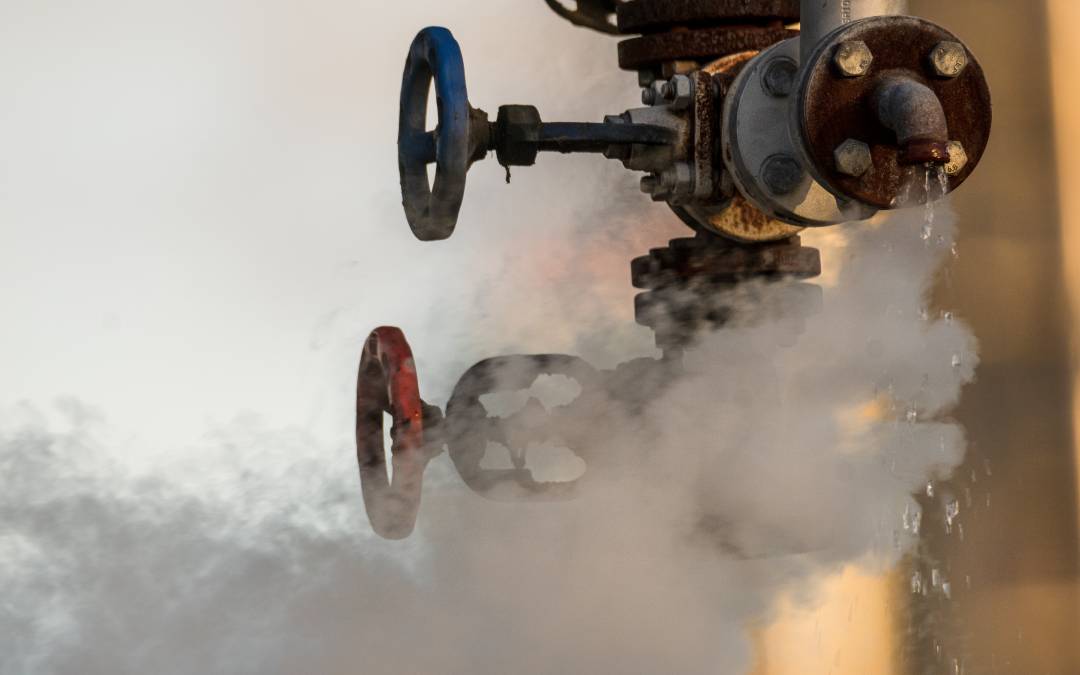
Signs such as hissing noises, visible damage, or a strong gas smell are warning signals that require immediate attention. Regular LDAR program inspections are essential for spotting and addressing these problems early, safeguarding your industrial operations. Knowing who to call for a gas leak is also important to help prevent unfortunate events.
Reporting Gas Leaks Safely and Swiftly in Industrial Environments
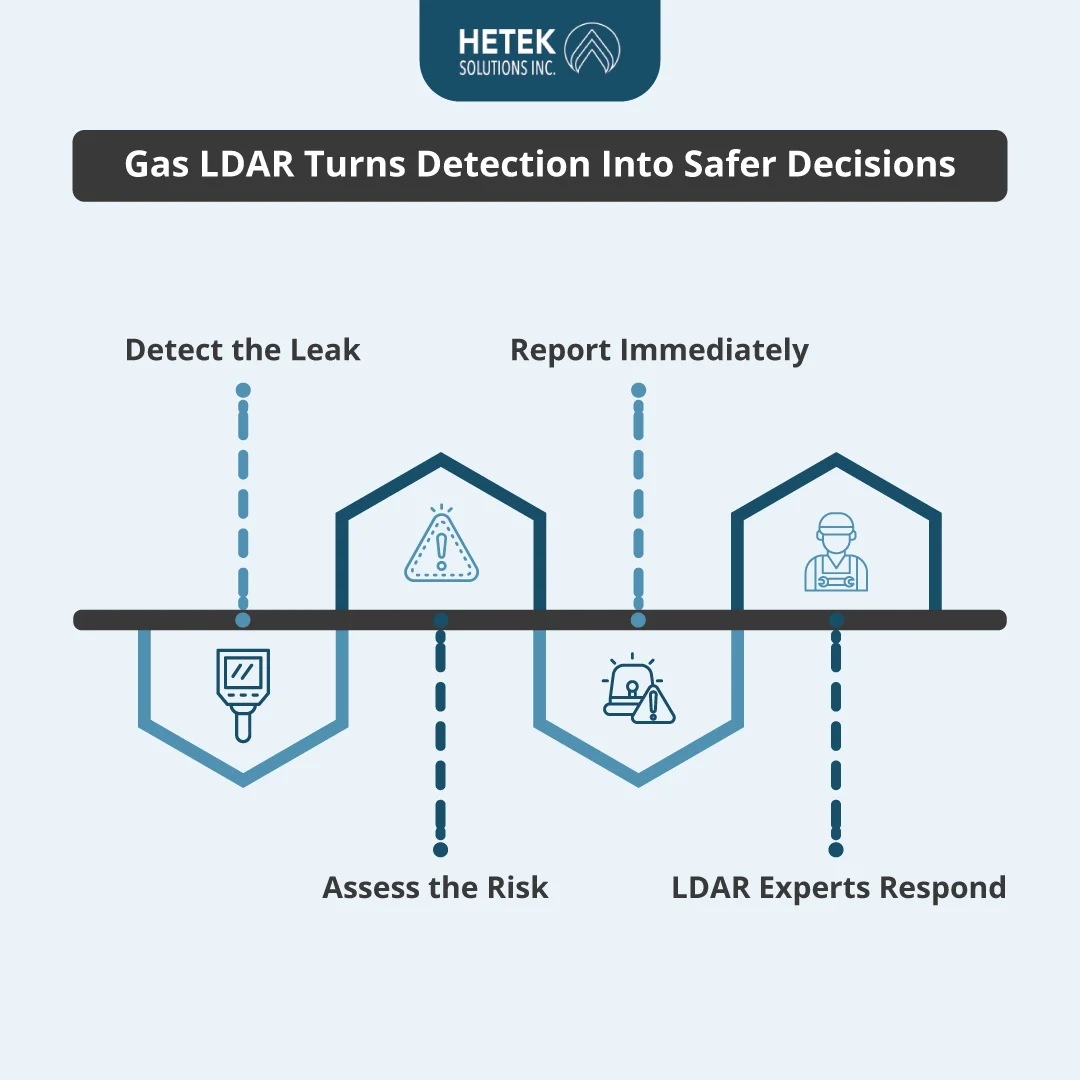
In industrial settings, knowing how to report a gas leak is as important as identifying one. If there are indications of a gas leak in your utilities, energy facilities, or contracting projects, follow these steps:
- Guarantee safety first: Site supervisors should assess the situation based on severity.
- Ventilate the space: Open doors and windows to allow fresh air in and help gas escape.
How Hetek Solutions Supports Gas LDAR Leak Detection in Industrial Environments
Hetek Solutions stands as your reliable partner, offering comprehensive gas safety solutions tailored to the unique needs of utilities, energy facilities, and contracting projects. Our team proactively identifies and addresses gas leaks using cutting‑edge technologies and proven inspection procedures.
By engaging with our LDAR programs, your industry gains access to:
- Advanced technologies: Including infrared cameras and laser‑based sensors for accurate leak detection.
- Frequent inspections: Planned inspections ensure early identification of potential leak threats.
- Expert analysis: LDAR professionals provide comprehensive evaluations and remediation recommendations.
- Compliance assurance: We help ensure your facility meets all applicable gas safety regulations.
Everyone shares the responsibility for guaranteeing gas safety in industrial environments. Understanding LDAR, identifying common types of gas leaks, learning how to report a leak, and leveraging Hetek Solutions expertise are crucial steps to enhance safety. For thorough LDAR leak detection services tailored to your industry, contact Hetek Solutions. Timely and informed action is pivotal when it comes to gas safety.
FAQ
What is LDAR, and how does it support industrial gas safety?
LDAR is a preventive program designed to detect and repair gas leaks in industrial environments before they become serious hazards. It combines routine inspections, advanced detection technologies, and structured repair processes to protect workers, assets, and the environment. LDAR programs also help facilities meet regulatory requirements while improving operational reliability.
How does Hetek Solutions help industrial facilities manage gas leak risks?
Hetek Solutions delivers comprehensive LDAR services using advanced technologies such as infrared imaging and laser‑based detection systems. Regular inspections and expert evaluations allow potential leaks to be identified early and resolved efficiently. This approach helps industrial facilities maintain compliance, improve safety, and reduce the risk of costly disruptions.
What regulatory benefits do industrial facilities gain from partnering with Hetek Solutions for LDAR?
Partnering with Hetek Solutions ensures compliance with key regulations such as EPA NSPS/MACT standards and state‑specific LDAR mandates. Certified inspections and detailed reporting support audit readiness and help facilities avoid costly fines while improving ESG reporting and sustainability performance.