Author: Allison Dineen
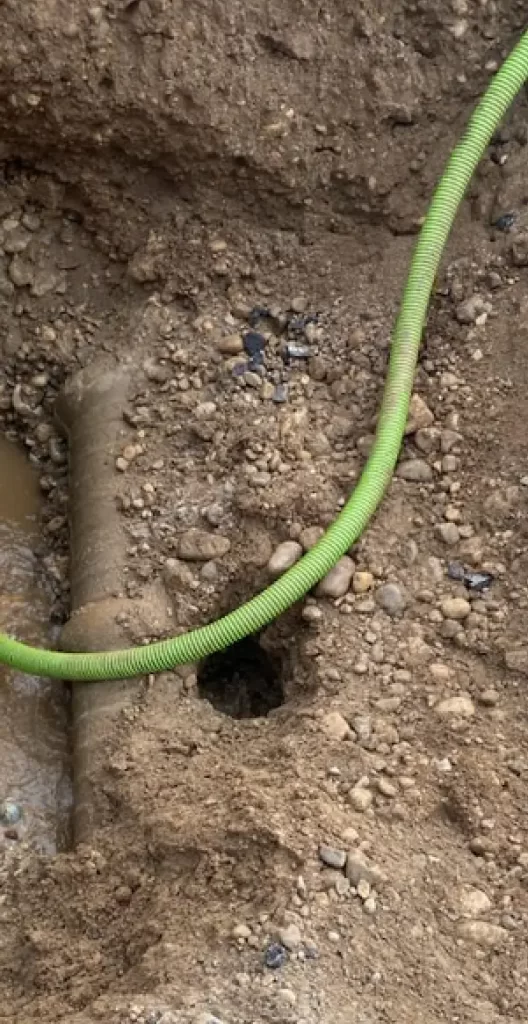 Water distribution systems can lose significant amounts of non-revenue water (NRW) through leaks. Some leaks are obvious, creating pooling water, sinkholes, or visible damage to private property. Others can remain hidden underground for months or even years, quietly wasting treated water and putting additional strain on infrastructure including but not limited to higher energy for pumping and infiltration into sanitary systems.
For municipalities, water utilities and First Nations, finding these hidden leaks early is an important part of effective water loss management. Modern leak detection technology can help move beyond reacting to visible leaks and instead monitor their networks for potential problems before they become major problems.
Why Do Water Leaks Happen?
Water distribution systems are exposed to a wide range of environmental and operational conditions. Over time, pipes, joints, valves, and other components can deteriorate or become damaged from external threats. Common causes of water leaks include:
- Aging infrastructure: Older pipes can deteriorate through corrosion, wear, and material degradation.
- High or fluctuating water pressure: Excessive pressure including water hammer or transient events can place additional stress on pipes and connections.
- Ground movement: Shifting or settling soil can put pressure on underground infrastructure.
- Temperature and frost: Freeze-thaw cycles can contribute to pipe movement and damage. This especially applies when pipe depths are above the frost level, which has been observed in many instances by Hetek personnel in past projects.
- Construction activity: Excavation and nearby construction can accidentally damage buried water infrastructure.
- Damaged joints and connections: Weak or deteriorating connections can become sources of leakage.
The challenge is that a leak across most Canadian water infrastructure, due to their deeper depths, does not always produce an immediate or visible warning. A small leak underground may continue unnoticed until it becomes large enough to affect the surrounding ground or infrastructure.
Why Undetected Water Leaks Matter
A leak does more than waste potable water. Utilities have already invested energy, pump stations, treatment, infrastructure, and operating resources into getting that water into the distribution system. When water escapes before reaching the customer, those resources are lost as well. Water loss can also increase operating costs and place additional pressure on water supplies. In some circumstances, breaches in a distribution system can also create potential pathways for contamination. There is also the cost of repairing the effects of a leak. Depending on its location and severity, escaping water can damage roads, sidewalks, landscaping, buildings, and other infrastructure. This is why finding a leak early can be much more beneficial than waiting for one to become visible.
Why Are Some Water Leaks Difficult to Find?
One of the biggest challenges with underground leaks is that the water may not appear at the surface where the actual leak is located. Water can travel through the path of least resistance such as soil and along other underground infrastructure before becoming visible.
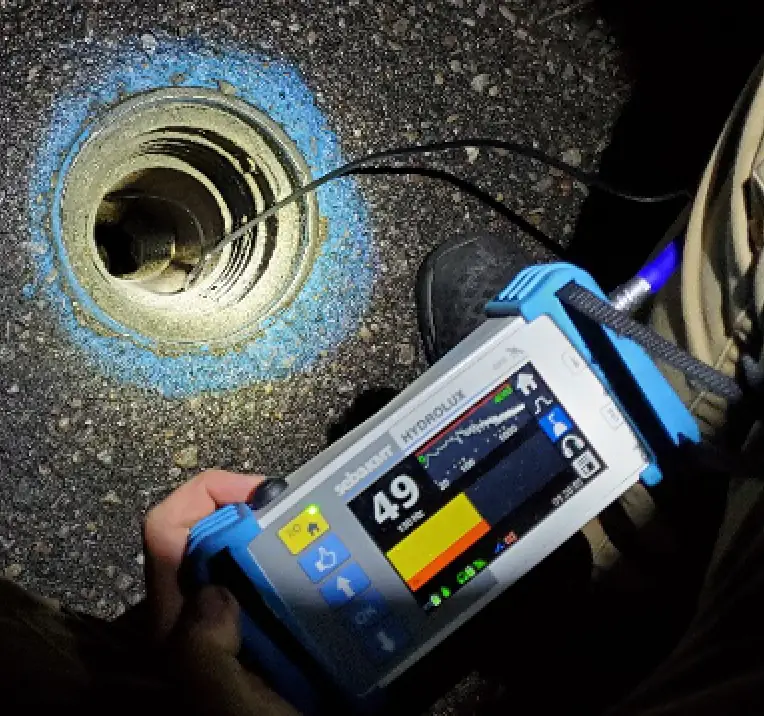 Traditional leak detection can involve crews surveying sections of a distribution network and using specialized equipment to listen for the sound of escaping water. While these methods can be highly useful, manually surveying large networks requires time and resources. Water utilities therefore benefit from having multiple approaches to leak detection. Water loss management can involve identifying visible leaks, using flow monitoring to quantify losses, and using specialized equipment to locate hidden leaks.
From Periodic Inspections to Continuous Monitoring
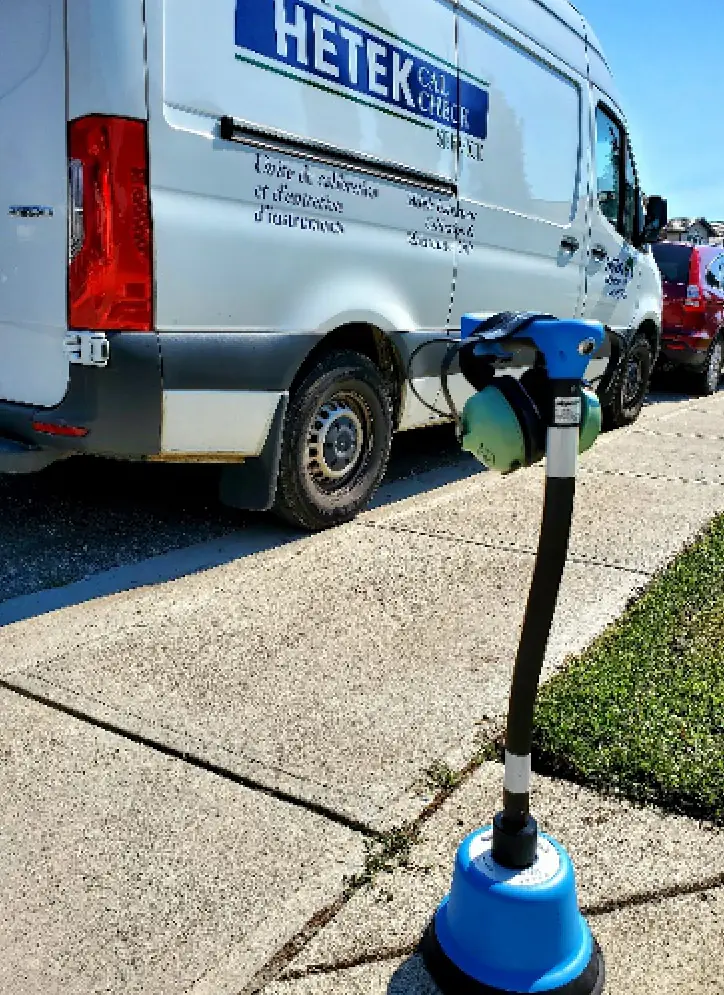 Traditional acoustic leak surveys as mentioned in the AWWA M36 standard Water Audits and Loss Control Programs and AWWA M77 standard Condition Assessment of Water Mains provide valuable information that led to operational cost reduction when leaks are successfully pinpointed, but they are typically conducted at specific times such as in the summer. Between surveys, conditions within a water distribution network can change and deteriorate.
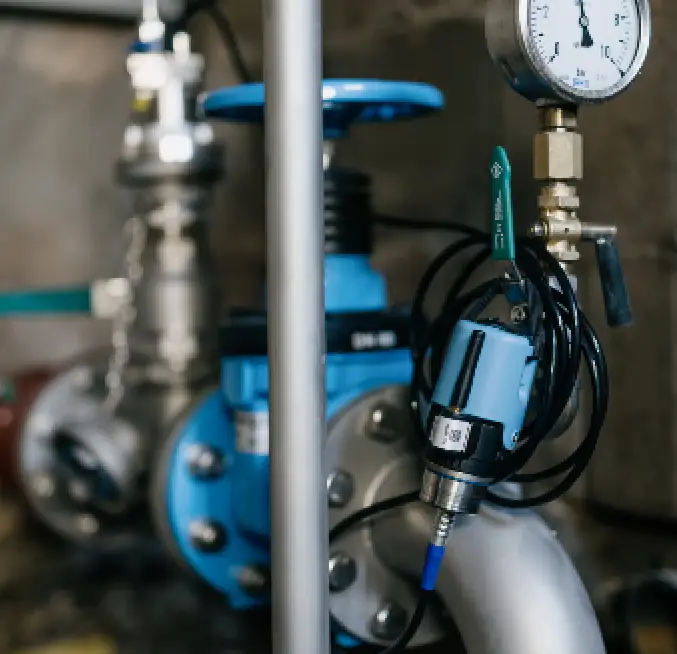
Continuous monitoring technology provides another layer of visibility. Rather than relying on periodic inspections, sensors can collect measurements over time and send data remotely for analysis. This allows water utility supervisors to monitor network conditions and identify changes that may warrant further investigation. It also reduces the field personnel needed and allows for a system to be monitored remotely that helpful for small remote communities and First Nations.
SmartEAR and SmartEAR+
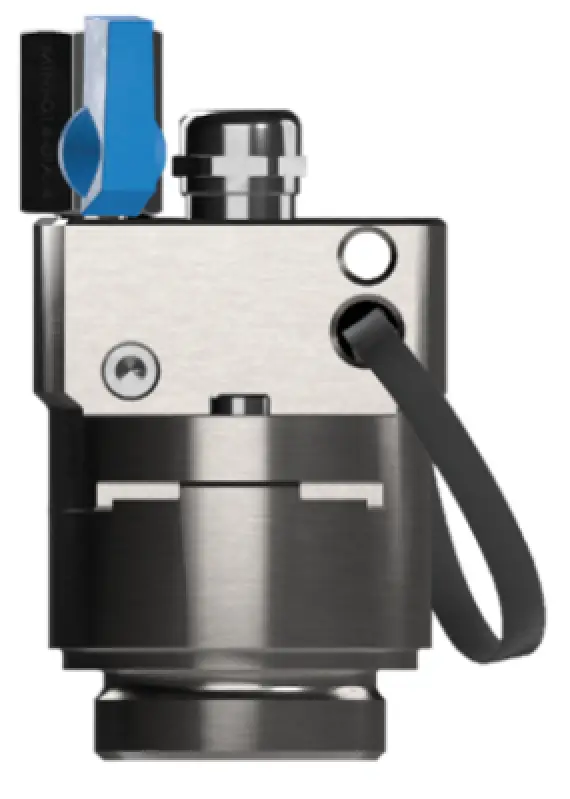 For utilities looking to strengthen their water leak monitoring programs, the SmartEAR is a network acoustic data logger that listens for leaks during minimum night flow periods and provides a daily transmission of the data for review by the utility. This includes areas of interest indications and sudden change in data from main breaks. SmartEAR+ iP has a dedicated pressure sensor and the SmartEAR eC combines acoustic hydrophone monitoring with pressure and temperature measurements in one sensor.
The device is designed for water distribution networks and can take regular measurements that are uploaded to the POSEYEDON cloud platform. Measurement schedules can be configured for applications such as night-time monitoring, permanent measurements, or customized measurement 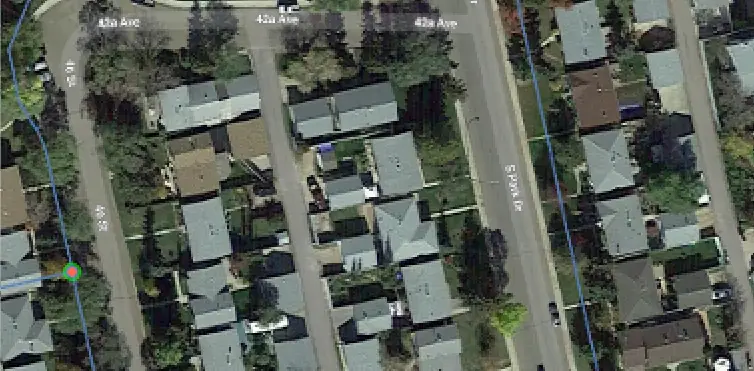 periods. Night-time monitoring can be particularly useful because water demand is typically lower during these hours, making unusual acoustic activity easier to investigate.
SmartEAR+ is also designed for long-term deployment. It has an IP68-rated housing, operates from -20°C to 70°C, and uses a 3.6 V, 13 Ah lithium battery with a stated battery life of up to 7 – 9 years, depending on usage and environment. The battery can also be replaced on site. By having acoustic, pressure, hydrophone and temperature information with remote connectivity, SmartEAR and SmartEAR+ series of sensors gives utilities another tool for understanding what is happening within their distribution networks.
A Proactive Approach to Water Loss
 Water leaks are an inevitable challenge for aging and complex distribution networks, but they do not have to remain hidden. A proactive water loss management strategy combines regular inspections, accurate system data, leak detection technology, timely repairs, and ongoing monitoring. The earlier a potential leak is identified, the sooner a utility can investigate the problem and determine the appropriate response. For municipalities and water utilities, recent technologies can help turn leak detection from a reactive process into a more continuous and data-driven approach. The better utilities can understand their water networks, the better positioned they are to protect their water, infrastructure, and communities.