Leak Detection and Repair (LDAR) programs are essential for gas industry professionals who work with equipment that may release harmful gases. These programs help identify and repair leaks before they become major hazards, ensuring safety, compliance, and environmental protection. LDAR programs are required by regulatory bodies such as the Environmental Protection Agency (EPA) in the United States and similar agencies in Canada. They help reduce emissions, protect workers, and maintain the integrity of gas-handling systems.
Key Takeaways
- LDAR programs are mandatory for gas facilities to reduce emissions and maintain safety.
- They involve identifying leaks, monitoring equipment, repairing issues, and keeping detailed records.
- Proper LDAR implementation helps companies avoid fines, reduce environmental impact, and improve operational efficiency.
What Is an LDAR Program?
An LDAR program is a structured process used to detect and repair leaks in gas-handling equipment. It includes regular inspections, monitoring, and maintenance to ensure that leaks are identified early and repaired quickly. LDAR programs help facilities comply with environmental regulations and reduce emissions of volatile organic compounds (VOCs) and other harmful gases.
Why LDAR Programs Matter
LDAR programs are crucial for maintaining safety and environmental responsibility in the gas industry. They help prevent accidents, reduce emissions, and ensure compliance with regulations. Without proper LDAR practices, facilities risk fines, environmental damage, and safety hazards.
Core Components of LDAR Programs
1. Identification
The first step in an LDAR program is identifying potential leak sources. This includes valves, flanges, pumps, connectors, and pressure relief devices. Proper identification helps ensure that all components are monitored and maintained regularly.
2. Monitoring
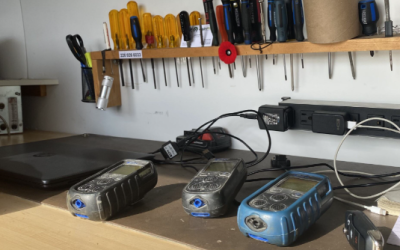
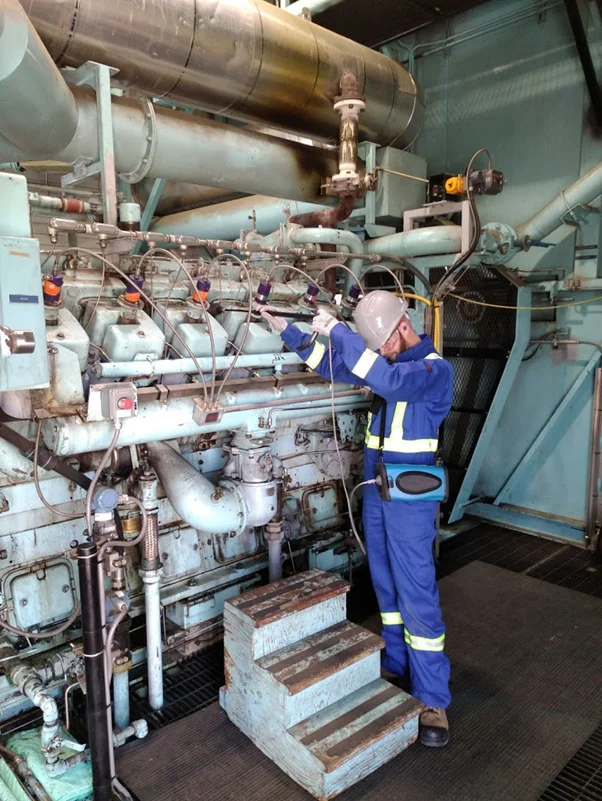
Monitoring involves regular inspections using approved detection technologies such as optical gas imaging, ultrasonic detectors, and portable gas analyzers. Monitoring helps detect leaks early and prevents them from becoming major issues.
3. Repair
Once a leak is detected, it must be repaired promptly. LDAR regulations often require repairs within a specific timeframe, such as 5 days for initial attempts and 15 days for final fixes. Quick repairs help maintain safety and compliance.
4. Recordkeeping
Recordkeeping is essential for demonstrating compliance with LDAR regulations. Facilities must keep detailed records of inspections, repairs, and maintenance activities. These records help track performance and ensure that all requirements are met.
Benefits of LDAR Programs
Environmental Protection
LDAR programs help reduce emissions of harmful gases, protecting the environment and public health. They contribute to cleaner air and healthier communities.
Regulatory Compliance
LDAR programs help facilities comply with environmental regulations and avoid fines. They demonstrate a commitment to safety and environmental responsibility.
Cost Savings
By detecting and repairing leaks early, LDAR programs help reduce product loss and prevent costly repairs. They improve operational efficiency and reduce maintenance costs.
Operational Efficiency
LDAR programs help maintain the integrity of gas-handling systems, preventing unplanned shutdowns and improving overall performance.
FAQ
What is the purpose of an LDAR program?
The purpose of an LDAR program is to detect and repair gas leaks before they become major hazards. It helps maintain safety, compliance, and environmental responsibility.
How often should leak detection be performed?
Leak detection should be performed regularly, following regulatory inspection intervals. High-risk equipment may require more frequent checks.
What equipment is needed for an LDAR program?
LDAR programs require gas analyzers, infrared cameras, ultrasonic detectors, and personal gas monitors. Digital recordkeeping tools are also essential.
Conclusion
LDAR programs are essential for gas industry professionals. They help detect and repair leaks, reduce emissions, and maintain compliance with regulations. By implementing a strong LDAR program, facilities can improve safety, reduce costs, and protect the environment.
Start Building Your LDAR Program Today
Ensure your facility meets regulatory requirements and operates safely. Contact Hetek Solutions for expert guidance.