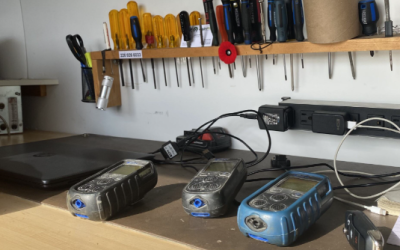
Gas leak detectin instruments are crucial for gas and water utilities, contractors, and companies. Implementing robust leak detection programs can result in substantial cost savings and significant environmental benefits. This article explores the financial advantages of gas leak detection devices, their role in reducing emissions, and the new technologies driving LDAR programs.
Financial Benefits of Gas Leak Detection Instruments
Investing in modern gas leak detection instruments can yield considerable savings for gas and oil companies. These devices help identify and repair leaks early, preventing extensive repairs and reducing the risk of major breakdowns. Effective leak detection equipment allows your facility to:
- Prevent Product Loss: Gas leaks result in product loss. Early detection and repair minimize these losses and ensure more efficient use of resources.
- Cut Down on Emergency Repairs: Regular monitoring reduces the need for unplanned repairs. Detection becomes part of routine inspection and supports proactive maintenance.
- Ensure Compliance: Regulatory bodies impose severe penalties for environmental violations. Effective leak detection helps companies meet regulations and avoid costly fines.
- Improve Functionality: Maintaining gas infrastructure in good condition leads to better functionality and greater cost‑effectiveness.
- Enhance Revenue with Carbon Credits: Companies can leverage carbon capture and storage (CCS) to generate revenue through carbon credits. Capturing and storing emissions allows companies to sell credits to businesses seeking offsets. Integrating CCS with advanced leak detection positions companies as leaders in sustainability and innovation.
The Impact of Gas Leak Detection on Emissions Reduction
Prompt detection and repair of gas leaks significantly reduce emissions, contributing to a healthier and safer environment. Quality gas leak detection leads to:
- Lower Greenhouse Gas Emissions: Quickly locating and fixing leaks reduces the release of greenhouse gases.
- Better Air Quality: Gas leaks release pollutants that degrade air quality and affect public health. Effective detection prevents these emissions.
- Compliance with Environmental Rules: The gas industry must meet strict emission limits. Effective leak detection ensures compliance and demonstrates environmental responsibility.
- Protection of Ecosystems: Gas leaks can contaminate soil and water. Early detection prevents pollution and protects wildlife and natural habitats.
- Sustainable Operations: Reducing emissions supports sustainable business practices and strengthens corporate social responsibility.
Innovative Gas Leak Detection Technologies for LDAR Programs
Technological advancements have significantly improved leak detection, making tools more precise, efficient, and user‑friendly. Modern LDAR programs use:
- Infrared Cameras: Visualize gas plumes in real time, even in complex environments.
- Ultrasonic Detectors: Capture ultrasonic emissions to locate leaks in high‑pressure or noisy environments.
- Laser Absorption Spectroscopy: Uses laser beams to detect leaks by measuring absorption at specific wavelengths, offering high sensitivity.
- Fixed Gas Detection Systems: Continuously monitor facilities and provide early warnings or automatic shutdowns.
- Portable Gas Detectors: Handheld devices ideal for spot checks, surveys, and routine inspections.
For more information on advanced gas leak detection methods, contact Hetek Solutions today.