Oil and gas operations in the Province of Alberta are required to comply with AER (Alberta Energy Regulator) Directive 017, which specifies measurement and reporting requirements for the industry. Hetek Solutions provides tools to help businesses ensure compliance. Here is what you need to know about AER directives – Directive 017 in particular.
Understanding AER Directive 017
AER Directive 017 clarifies the provincial government’s requirements for measurement points used in accounting and reporting in the petroleum, gas and chemical industries. It also specifies the measurement points required for upstream petroleum facilities and some downstream pipeline operations under existing regulations. All businesses that operate in these industries are required to comply with all the requirements set out in the directive.
The directive is based on the AER’s standards of accuracy for gas and liquid measurement, which considers matters such as equity, royalty, reservoir engineering, declining production rates, and aging equipment.
Measurement and Reporting Requirements for Energy Resources
Directive 017 specifies the measurement and reporting requirements for companies in the energy industry. It specifies the following:
- What volumes must be measured, and how
- What volumes may be estimated, where and how
- What accounting procedures must be performed on determined values
- What data must be kept for audit purposes
- What must be reported to the AER
Best Practices for Achieving Compliance with Directive 017
Compliance with AER Directive 017 requires accurate measurements and calculations in line with the specifications provided in the directive. The directive lists the acceptable activity codes and product codes for the industry’s various outputs. Accordingly, these outputs need to be measured frequently against the Directive’s guidelines.
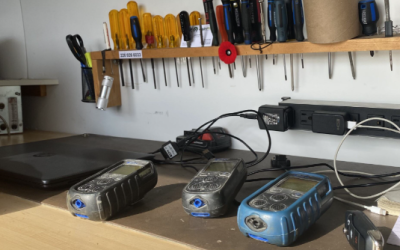
To begin with, you need quality and accurate measuring equipment. The Hetek Flow Sampler is an instrument that is perfectly suited to this purpose. Several of our other products can also help, including the Remote Methane Leak Detector, Gasurveyor700, and Heath DetectoPak-IR.. Measurements of fuel and flare volumes should then be captured in a Field Data Capture System. The system can be used to calculate theoretical fuel usage with standard calculation methodologies. In this way, measured and estimated values can be calculated, recorded and reported on an ongoing basis.
Consequences of Non-Compliance and Mitigation Strategies
If the AER should discover any non-compliance in your operation, it will generally take action through one or more enforcement or punitive tools. The significance of the non-compliance, and the number of offences by a particular organization, are primarily what determine the severity of the action taken. It generally begins with a notice of non-compliance, followed by a warning. If non-compliance persists, fines and administrative penalties may be imposed. In particularly severe or ongoing cases, prosecution is a possibility.
To prevent your business from triggering any of these actions, or to mitigate the situation if it does, the best course of action is to establish and maintain compliance going forward. The best practices alluded to above provide the key to doing so. Hetek Solutions Inc. can help by supplying the instruments you need to monitor your pipelines.
Contact us to find out more about how we can help stay compliant with AER Directives.