Gas safety audits offer an in-depth examination of your facility’s operations, ensuring every precaution is in place to prevent disasters before they happen. Safety audits are your first line of defense against costly incidents and shutdowns, from pinpointing system vulnerabilities to ensuring compliance with regulations.
Let’s break down why gas safety audits are essential and how you can effectively prepare for them.
Why Safety Audits Are Important in the Gas Industry
Every facility owner needs visibility of potential risks, and this is where regular gas safety audits are a savior. These audits allow you to identify potential hazards, evaluate existing mitigation plans, and ensure you’re fully compliant with industry regulations.
The gas industry is high-risk, and the consequences of a leak or explosion can be devastating. Audits are the proactive measure that helps ensure gas handling, storage, and distribution are performed safely.
Common Problems Detected in Safety Audits
A well-conducted audit can shine a light on issues you may have missed. Some of the most common problems auditors detect in the gas industry include:
- Corroded Pipelines: Corrosion is one of the biggest enemies in the gas industry. If untreated, rust and degradation weaken the integrity of gas pipelines, increasing the likelihood of leaks over time.
- Faulty or Aging Equipment: As equipment ages, it’s more likely to malfunction, putting the safety of your staff and facility at risk. Audits often reveal that equipment isn’t up to standard or lacks proper maintenance.
- Insufficient Training for Staff: Even if your equipment is in perfect shape, the people operating it must be fully trained in safety protocols. Audits frequently highlight areas where staff members may require additional training to safely operate or maintain gas systems.
- Non-Compliance with Safety Regulations: Compliance goes beyond simply following a checklist. It involves staying up-to-date with local, state, and federal regulations that apply to your specific gas operations. Falling behind in this area can expose your facility to major penalties.
How to Prepare for Safety and Compliance Audits
So, how do you get ahead of the game and pass your compliance audits with flying colors? Here’s a detailed roadmap to preparing for your next gas safety audit:
- Conduct an Internal Review: Go over all safety protocols, equipment maintenance timelines, and staff training records. Identify any gaps or weak spots that need immediate attention.
- Review Documentation: Ensure all necessary documentation, such as operational records, past audit reports, and safety inspection certificates, is readily available. Organize these documents to make the audit process as smooth as possible.
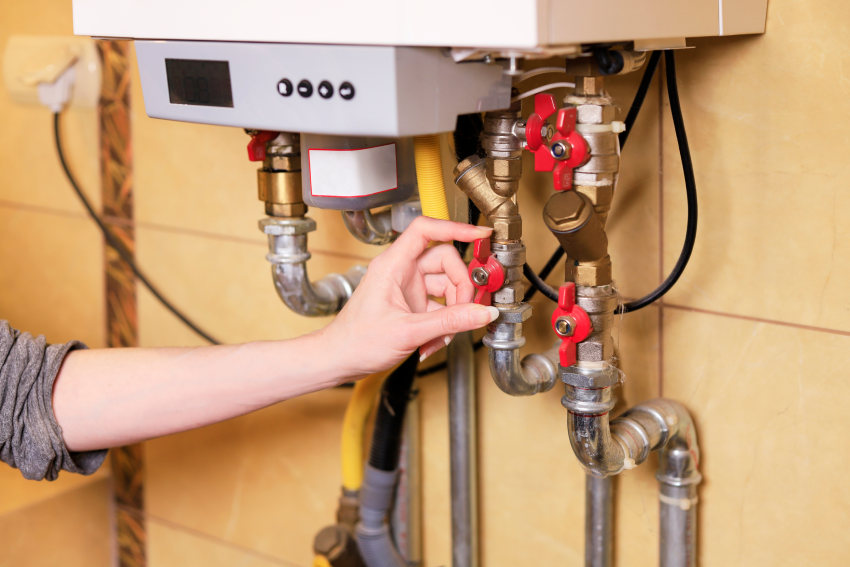
- Ensure Regular Maintenance: Often, simple scheduling solutions like regular equipment maintenance can prevent major compliance issues from appearing in your audit. Proactively service gas pipes, detectors, and other critical hardware.
- Refresh Safety Training for Staff: Make sure your team is not just aware of the safety rules but actively following them. Training sessions should be up-to-date, and refreshers scheduled as necessary.
How Audits Prevent Future Issues
Proactive audits catch current issues while also stopping future problems in their tracks.
- Early Issue Detection: By spotting potential hazards early, such as corroding equipment, high gas pressure, or insufficient training, audits give facilities time to address these problems before they escalate into emergencies.
- Better Operational Efficiency: Regular gas audits lead to improved processes. Fewer safety interruptions mean smoother operations, higher efficiency, and reduced costs in the long term.
- Ongoing Compliance: Audits ensure that your facility remains in compliance with up-to-date laws and regulations. This not only keeps the regulators happy but protects your reputation in a highly scrutinized industry.
Tools for Conducting Thorough Safety Audits
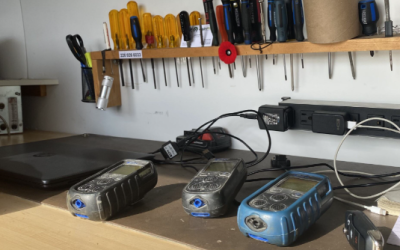
Conducting a comprehensive audit requires the right tools. Luckily, there are several modern devices and methods designed to make audits easier and more precise, including gas detectors (Hetek Solutions Inc. offers fixed gas detection systems, including the Searchline Excel and 301IRF Refrigerant Gas Detector, which provide ongoing, real-time monitoring of potential gas leaks), data logging software, and acoustic emission monitoring systems.
By combining these detection tools with regular audits, you ensure an airtight safety protocol that protects both your workers and the facility.
Contact us today for more information about gas detection tools, our field services – gas, and our maintenance services. Alternatively, explore our home page to learn more about the products and services we offer.
[/et_pb_text][/et_pb_column][/et_pb_row][/et_pb_section]