If you manage water systems, infrastructure assets, or field operations, water leak detection training shapes how effectively you protect revenue, public trust, and long-term system health. Leaks drain budgets quietly. They erode confidence. They inflate non-revenue water numbers month after month. You already know the cost of delay. What you may be weighing right now is capability. Do your teams have the technical skill, field judgment, and data confidence to detect leaks early and act decisively?
At Hetek, we work with utilities and contractors who want measurable outcomes, not abstract theory. Our water leak detection training programs give professionals the practical skills, field-tested methods, and certification pathways needed to locate leaks accurately, validate findings, and move from detection to repair with clarity.
Key takeaways
- Water leak detection training equips professionals with hands-on skills that directly reduce non-revenue water and field inefficiencies.
- Structured training strengthens pressure analysis, acoustic interpretation, and system correlation across complex networks.
- Certified programs support compliance, workforce credibility, and long-term operational cost control.
What Is Water Leak Detection Training?
Water leak detection training focuses on the practical identification, confirmation, and prioritization of leaks across pressurized water systems. It combines theory with field application so technicians, engineers, and managers understand how leaks behave, how signals present themselves, and how detection tools perform under real conditions.
This type of training goes far beyond device handling. You learn how pressure zones influence leak signatures. You interpret flow data within operational context. You confirm findings using multiple validation steps rather than guesswork. When done correctly, training creates repeatable processes that teams can trust.
Professionals completing water leak detection training gain clarity on:
- Leak physics across different pipe materials and diameters
- Night flow analysis and minimum flow interpretation
- Acoustic signal behaviour across soil types and depths
- Pressure management as both a detection and prevention strategy
- Field documentation that supports repair planning and audits
You stop relying on instinct alone. You replace assumptions with verified data. That shift changes outcomes.
Understanding Water Loss Management Systems
Leak detection works best inside a broader water loss management framework. Training helps professionals see the full system rather than isolated data points. You learn how detection tools integrate into daily operations, capital planning, and regulatory reporting.
Water loss management systems aim to:
- Quantify real losses with confidence
- Pinpoint priority zones for investigation
- Support pressure optimization strategies
- Track improvements over time
Training connects these objectives with the tools that make them possible.
Pressure Sensors, Flow Meters, Acoustic Loggers
Pressure sensors reveal how stress distributes across a network. Sudden drops, irregular fluctuations, and persistent low-pressure areas often signal hidden leaks. Training teaches you how to distinguish between demand variation and abnormal behaviour.
Flow meters provide another layer of confirmation. Night flow readings expose baseline consumption when legitimate use drops. Elevated minimum flows often indicate leakage. Training shows you how to calculate thresholds accurately and avoid misinterpretation.
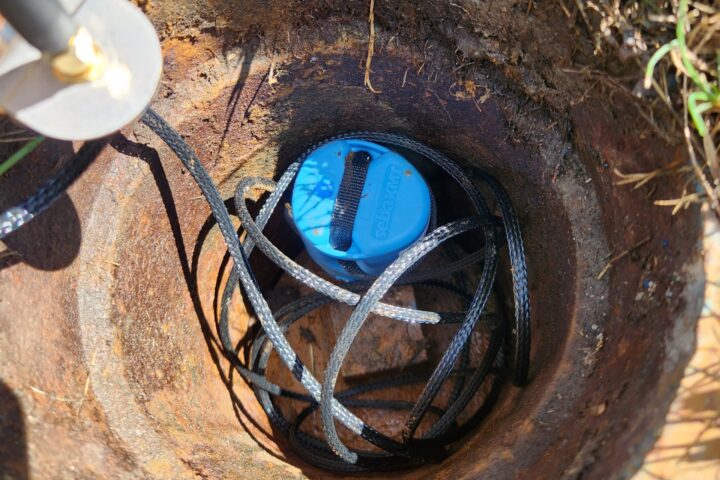
Acoustic loggers listen for leak noise patterns over extended periods. These devices capture signals that manual surveys miss. Through training, you learn:
- How sound travels through different pipe materials
- How to filter background noise effectively
- How to prioritize logger alerts
Each tool alone offers partial insight. Together, they provide clarity.
Correlating Sensors and Reservoir Level Indicators
Advanced leak detection relies on correlation. Training emphasizes how to align pressure data, flow readings, acoustic results, and reservoir levels into one coherent picture. A pressure dip without flow increase tells one story. The same dip paired with rising night flow tells another.
Professionals trained in correlation:
- Validate leaks before excavation
- Reduce false positives
- Improve crew deployment efficiency
This systems-based thinking separates experienced leak technicians from equipment operators.
CEU Water Loss Management Training with Hetek
Hetek delivers structured CEU water loss management training designed for working professionals. Programs balance classroom instruction with field exercises so learning translates directly into operational improvements.
Training sessions align with current industry standards while addressing the realities utilities and contractors face daily. You learn how to work within aging infrastructure, mixed materials, and constrained budgets.
Accreditation and Certification Benefits
Certified training adds measurable value to your organization. CEU credits support professional development requirements while demonstrating commitment to best practice. Certification strengthens credibility during audits, funding applications, and stakeholder reviews.
Teams completing water leak detection training with certification gain:
- Recognized credentials supporting compliance
- Standardized procedures across crews
- Improved documentation quality
Training becomes an asset, not a checkbox.
Skills and Competencies Gained
Participants leave with practical competencies they can apply immediately:
- Accurate leak pinpointing techniques
- Structured survey planning
- Confident equipment deployment
- Clear reporting and repair prioritization
You reduce repeat work. You shorten response times. You improve outcomes across the network.
Why Training Matters for Utilities and Contractors
Utilities face rising expectations around water stewardship and service reliability. Contractors face competitive pressure to deliver results efficiently. Training bridges both realities.
Untrained detection leads to:
- Missed leaks
- Misallocated repair budgets
- Crew frustration
- Public trust erosion
Well-trained teams operate with confidence. They communicate findings clearly. They support leadership decisions with defensible data.
You would not invest in advanced equipment without training your staff. Detection tools amplify skill. Training ensures that amplification works in your favour.
How Leak Detection Training Reduces Operational Costs
Leaks cost money long before they surface. Training shortens the time between leak onset and repair. That time reduction delivers direct savings.
Cost reduction shows up in several ways:
- Lower non-revenue water volumes
- Reduced emergency repairs
- Fewer unnecessary excavations
- Better capital planning decisions
Field crews work smarter. Management allocates resources with confidence. Training pays for itself through avoided losses.
Strengthen your field operations with certified water leak detection training designed for real-world networks and working professionals.
Build team confidence. Reduce non-revenue water. Support compliance with practical, accredited training.
Training Format, Program Overview and Requirements
Hetek training programs adapt to operational needs. Sessions combine theory, case analysis, and hands-on fieldwork. Participants work with the same tools they use on the job.
Typical program components include:
- Classroom instruction on leak behaviour and system analysis
- Field demonstrations using pressure sensors, loggers, and correlators
- Data interpretation workshops
- Assessment and certification review
Requirements focus on professional relevance rather than academic prerequisites. If you work with water systems, the training meets you where you are.
Who Should Attend
Water leak detection training serves a wide professional audience:
- Utility operators and technicians
- Water loss managers
- Engineering staff
- Field supervisors
- Infrastructure contractors
If your role influences detection, response, or repair decisions, training strengthens your impact.
FAQ
How long does the training take?
Programs range from intensive multi-day sessions to modular formats depending on objectives.
Is certification recognized?
Yes. CEU-aligned credentials support professional development requirements.
Does training include field practice?
Yes. Practical application remains central to every program.
Can training support new technology adoption?
Absolutely. Training aligns teams with evolving detection tools and methods.
See how trained professionals turn detection data into action across municipal and industrial water systems.
Explore field services supported by certified teams and proven detection workflows.