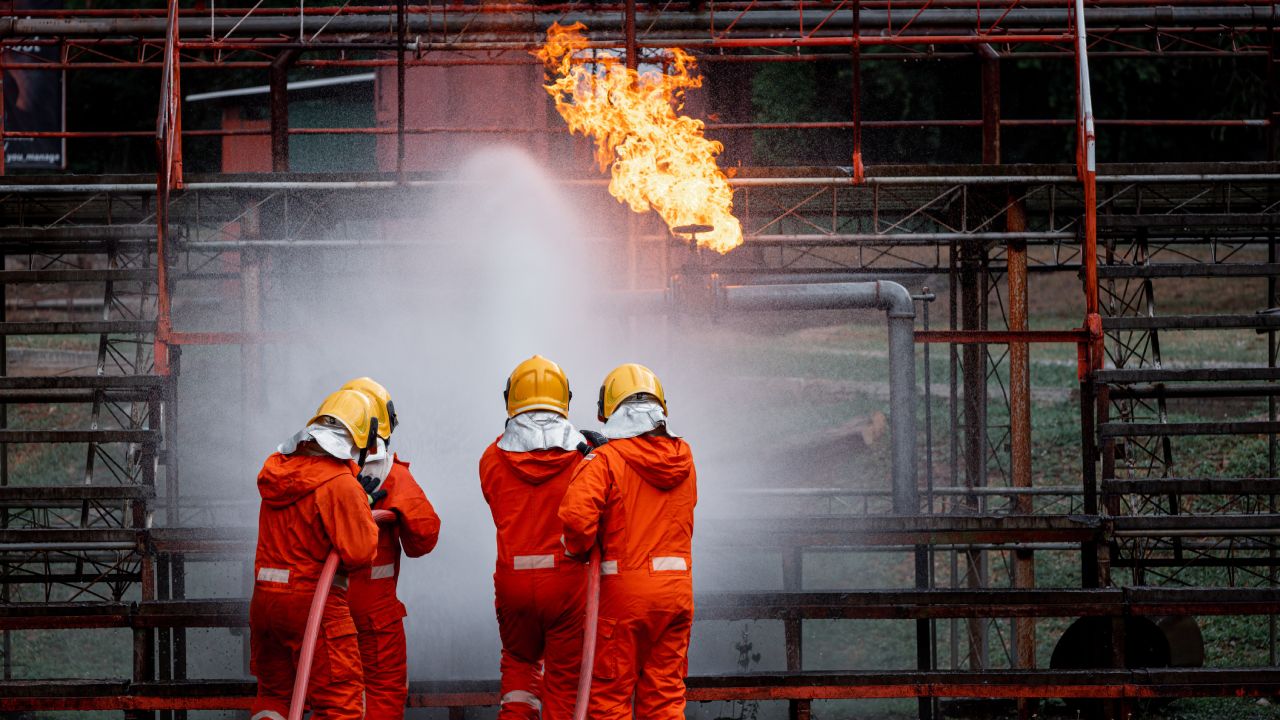
Gas leaks can be dangerous in any setting. Therefore, gas leak safety tips are essential to keeping everyone safe. Whether you run a company or are a household, it is critical to understand how to identify and stop gas leaks. If you suspect a gas leak in your home, it’s important to act fast to prevent serious hazards. Signs of a natural gas leak, like the smell of rotten eggs or unexplained physical symptoms, should never be ignored.
In this thorough guide, we will explore the field of gas safety and detection, discuss how to look for gas leaks, identify the signs of gas leaks, and discuss the significance of LDAR (Leak Detection and Repair) programs. We’ll also address common hazards like how light switches or electronic devices can cause a spark that may ignite leaked gas.
Checking for Gas Leaks: Who to Call for Gas Leak Concerns?
The first step in gas detection is to be aware of the risks that gas leaks may present. Leak Detection and Repair, or LDAR, is a methodical technique several sectors employ to detect and efficiently address gas leaks. Regular maintenance and inspections are part of LDAR initiatives, which protect the environment and workers’ safety. Using advanced tools like methane gas monitors and natural gas leak detection equipment can further improve the accuracy of identifying leaks in various industries.
You must take immediate action if you believe there is a gas leak in your house or place of business. To look for gas leaks, follow these steps:
- Visual Inspection: Examine gas pipes, connectors, and appliances for obvious indications of wear or damage.
- Use Soapy Water: Apply a soapy water solution to pipe connections, then watch for bubbles. A gas leak is indicated if bubbles appear.
- Listen for Hissing Sounds: Gas leaks sometimes make a hissing sound close to the leak’s source.
- Look for the Smell of Gas: Natural gas has no smell, but gas providers add an odorant (mercaptan) that smells like rotten eggs to help detect leaks.
How LDAR Helps Identify and Prevent Gas Leaks
After discussing the fundamentals of gas leak awareness and detection, let’s look at LDAR and the mechanisms behind gas leaks. Gas leaks can happen for several causes, such as:
- Worn-out or Damaged Pipes: Pipes deteriorate, crack, or sustain damage over time.
- Faulty Appliances: Malfunctioning or poorly maintained appliances can leak gas.
- Corrosion: Moisture and environmental factors can corrode pipes.
- Poor Installation: Incorrect installation can create weak points that lead to leaks.
An LDAR program is helpful in this situation. During routine inspections, LDAR specialists are trained to spot these problems, guaranteeing that gas leaks are immediately found and fixed. The intention is to protect people and the environment by preventing gas leaks from occurring in the first place.
It is critical for both residential and industrial settings to prioritize gas safety and to put in place efficient gas detection measures. We can reduce possible risks and build safer surroundings by investing in LDAR programs, detecting symptoms, and knowing the indicators of gas leaks. Maintain awareness, exercise caution, and give your community’s and your surroundings’ welfare priority.
Constant Observation
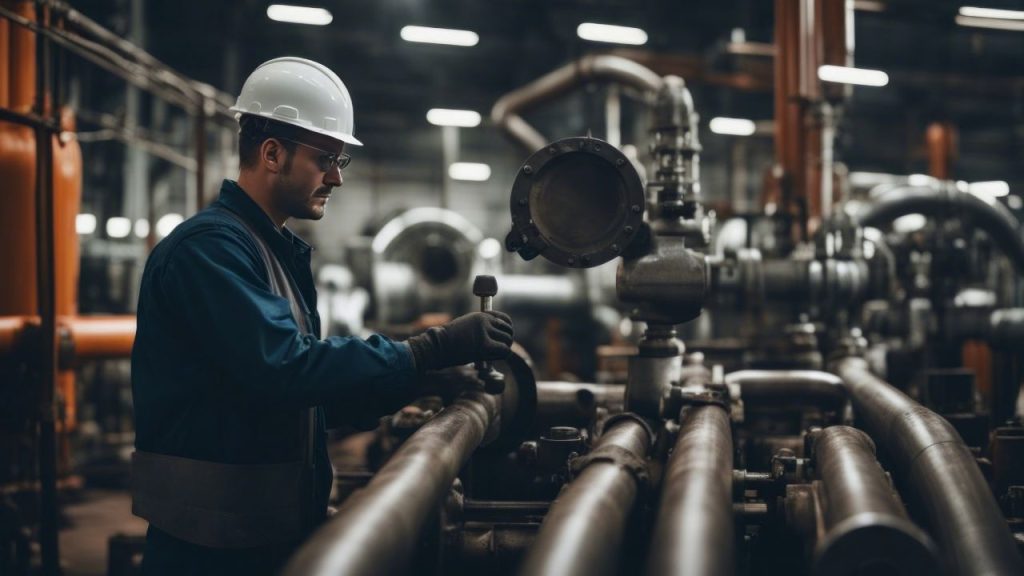
Continuous gas monitoring uses sensors placed in high-risk areas. Ongoing monitoring ensures any gas leak is detected immediately, allowing for prompt response and reducing the possibility of damage.
Portable Gas Monitors
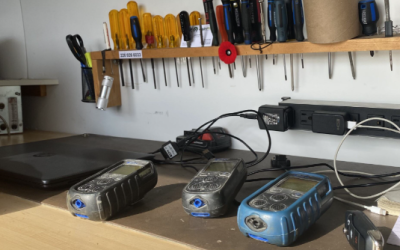
Portable gas monitors complement stationary systems by allowing workers to monitor personal exposure as they move throughout a facility.
Gas Monitoring’s Advantages
- Early Detection: Identifies leaks early, enabling quick action.
- Preventive Measures: Helps identify issues before they become leaks.
- Worker Safety: Provides real-time gas concentration data.
- Environmental Protection: Prevents harmful gases from escaping into the atmosphere.
Including gas monitoring in your safety procedures is a proactive way to establish a safe and risk-free atmosphere. Investing in cutting-edge monitoring systems shows that you care about the health of your employees and the community.
Navigating Fugitive Emissions: What Are Fugitive Emissions?
Unintentional releases of gases or vapors from industrial processes are called fugitive emissions. Leaks in machinery, pipes, or storage tanks frequently cause these emissions. Greenhouse gases and other dangerous pollutants may be present in fugitive emissions, endangering human health and the environment.
Origins of Fugitive Emissions
- Flanges and Valves: Leaks often occur here; proper sealing and maintenance are essential.
- Pumps and Compressors: Worn seals and connections can cause leaks.
- Storage Tanks: Tanks can develop leaks over time; routine integrity tests are required.
- Process Equipment: Poor maintenance can lead to emissions from industrial equipment.
The Effects of Fugitive Emissions
- Pollution: Gas releases can harm ecosystems and air quality.
- Health Risks: Exposure can cause respiratory issues, irritation, and other health problems.
- Regulatory Compliance: Violations can result in fines and legal consequences.
Controlling Fugitive Emissions
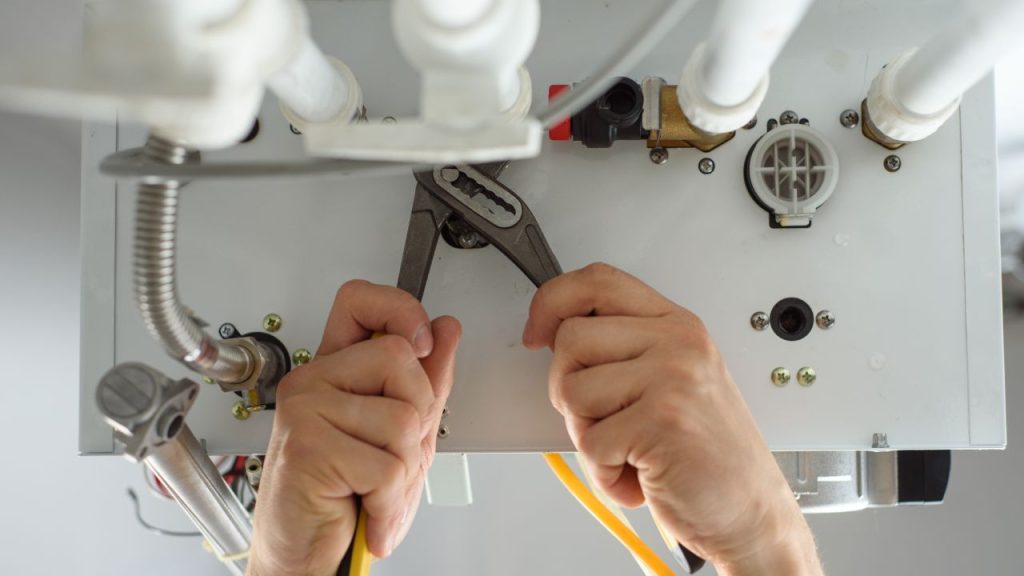
Effective management requires preventative actions, advanced technologies, and continuous monitoring. Key strategies include:
1. Frequent Inspections
Regularly inspect tanks, pipelines, and equipment to find and fix leaks. A strong LDAR program significantly aids early identification.
2. Advanced Leak Detection Technologies
Infrared cameras and laser-based sensors identify leaks invisible to the naked eye.
3. Sealing and Maintenance Programs
Maintain seals and replace worn components promptly.
4. Employee Education
Train staff to recognize and report possible emissions.
5. Community Engagement
Share information about monitoring and emergency plans to build trust.
6. Continuous Monitoring
Install monitoring devices that provide instant notifications of leaks.
The Role of Gas Safety Tips: Ensuring Safe Appliance Use
Ensuring gas safety extends beyond finding gas leaks immediately. It requires monitoring tools, preventative actions, and environmental responsibility. Gas monitoring devices provide real-time data to protect against hazards.
Industries can strengthen their dedication to environmental sustainability and safety through a comprehensive understanding of fugitive emissions. Effective management safeguards public health and ensures regulatory compliance.
Do not try to fix a gas leak alone if you suspect one. Call your local gas utility immediately. Always use extreme caution and rely on trained professionals.
Mastering Gas Leak Smell Awareness: Causes, Signs, and Safety
The characteristic odor of natural gas—similar to rotten eggs—is due to an added odorant. Key points include:
- Symptoms: Headaches, nausea, dizziness, and difficulty breathing.
- Safety Steps: Avoid electrical equipment, avoid switching lights, ventilate the area, evacuate, and call your gas utility.
- Prompt Action: Recognizing signs early prevents tragedies.
The Role of Gas Monitoring in Ensuring Gas Safety
Gas moitoring identifies dangerous gases and provides real-time data for quick responses. At Hetek Solutions, we offer advanced gas safety and detection solutions and support LDAR initiatives.
Gas safety is an investment in the health of the environment, the community, and your employees. Stay vigilant and informed. Contact us today to learn more about gas leak safety tips.