
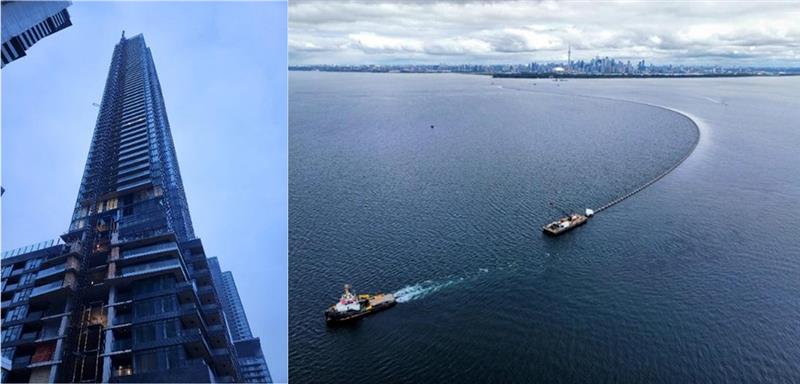
Figure 1. Testing location (left) and deep lake water cooling system (right)
Location: Toronto, Ontario, Canada
A condominium with multiple towers of more than 70 floors each in downtown Toronto contains several kilometers of pipes that are built to supply water to residents as well as for heating and cooling purposes. In fact, more than 100 buildings in Toronto aim to reduce emissions and energy use by using deep lake water from Lake Ontario to cool indoor residential spaces. In addition, these buildings incorporate district energy models instead of individual mechanical systems, which occupy space and reduce efficiency.
Hetek Solutions was involved in a unique project, supporting its client in performing— for the very first time—pipe integrity checks and pinpointing leaking components for indoor, vertical water infrastructure using Hydrogen (H2) as a tracer gas.
During the construction phase, when pipe installers complete the installation of hot-water riser (HWR) and cold-water riser (CWR) piping systems for heating, ventilation, and air conditioning (HVAC) purposes, they must perform integrity checks prior to commissioning. These checks involve pressure tests using a safe pressurized fluid (liquid or gas) that will not cause catastrophic damage if leaks occur.
For example, natural gas utilities use water for pressure tests. For indoor applications involving water-carrying pipes, nitrogen (N2) gas is injected with a pressure gauge to evaluate pressure loss over time. A pressure drop in a closed piping system indicates a leak—likely at a stress concentration such as a joint.
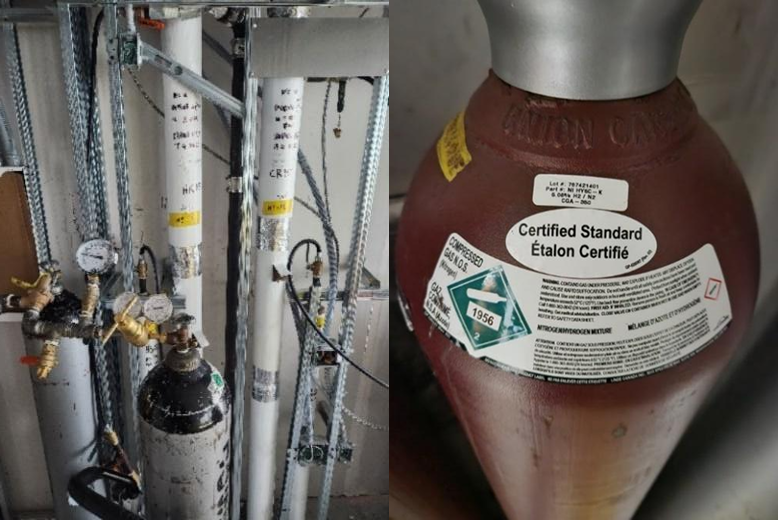
Figure 2. HWR and CWR piping with gas injection
Finding a leak can be challenging and time-consuming. This is where a tracer gas mixture (Hydrogen + Nitrogen) and a pinpointing device—the SebaKMT HL7000 with H2 sensor attachment—were used. The HL7000 is typically used for underground cable and pipe locator work on water mains using acoustic sensors such as ground microphones and contact microphones. However, when an inert gas is required, the H2 sensor becomes highly effective.
The unique challenge in this project was using the equipment indoors in a high-rise condominium where vertical piping is located in compartmentalized spaces with limited access.
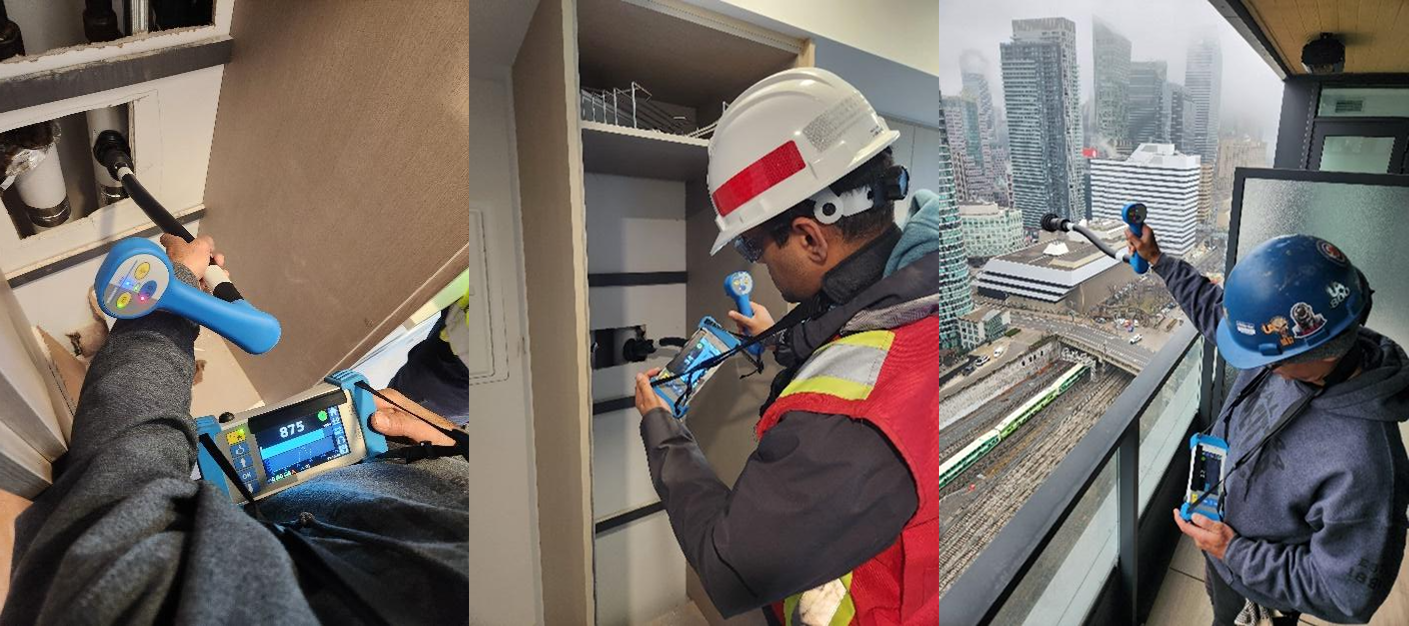
Figure 3. Tracer gas leak detection (left and middle) and gas sensor purging (right)
When a nitrogen pressure test failed for an HWR or CWR riser, a gas mixture of 5.06% H2 with a balance of N2 was injected into the pipe. The HL7000 with H2 sensor was used to detect leaks on various floors. Once a high reading was detected, the technician pinpointed the leak to a joint. A soap solution was applied, and bubbling confirmed the leak. Repairs followed, along with an additional nitrogen pressure test for compliance and quality assurance.
Hetek Solutions, with its expertise in gas and water leak detection, supported its client with training on leak surveying techniques including device operation, sensor warm-up, zero calibration, purging, and managing background gas in indoor spaces.
Hetek also provided direction and best practices to formalize standard operating procedures for this new service offering, including below-ground horizontal piping surveyed using acoustic sensors.
Hetek is proud to support safety, pipe integrity, and environmental stewardship with suitable products, technical expertise, and detailed training courses. For more information, please contact us today.
