Gas leaks can be dangerous, so individuals and organizations must understand what causes them, how to spot them, and what safety precautions to take. At Hetek Solutions, we recognize how crucial proactive gas detection is to preserving the security of your surroundings.
What Causes a Gas Leak?
For safety precautions and prevention to be effective, it is essential to understand the underlying causes of gas leaks. Several sources cause gas leaks, so anticipating and mitigating possible dangers is crucial. A common cause is worn‑out or damaged pipes, particularly in older systems where deterioration can result in leaks or cracks over time. Another risk is faulty appliances, like water heaters or gas stoves, highlighting the significance of routine maintenance. Corrosion erodes the structural integrity of gas pipes and is frequently brought on by exposure to environmental conditions. In both home and commercial settings, improper installation can lead to weak spots that could eventually catch fire.
Hetek Solutions stresses the value of routine inspections as part of our Leak Detection and Repair (LDAR) programs to reduce these risks. These all‑inclusive systems are made to spot problems early on, enabling prompt repairs and preventive actions that save lives and property.
Leak Indications
Identifying the warning indicators of a gas leak is critical to taking quick action. Visual inspections are essential since any damage to gas pipes, connectors, or appliances must be fixed immediately. Applying a soapy water solution to pipe connections and watching for bubbles can signal a gas leak. Listening for hissing noises close to the source is another important indicator.
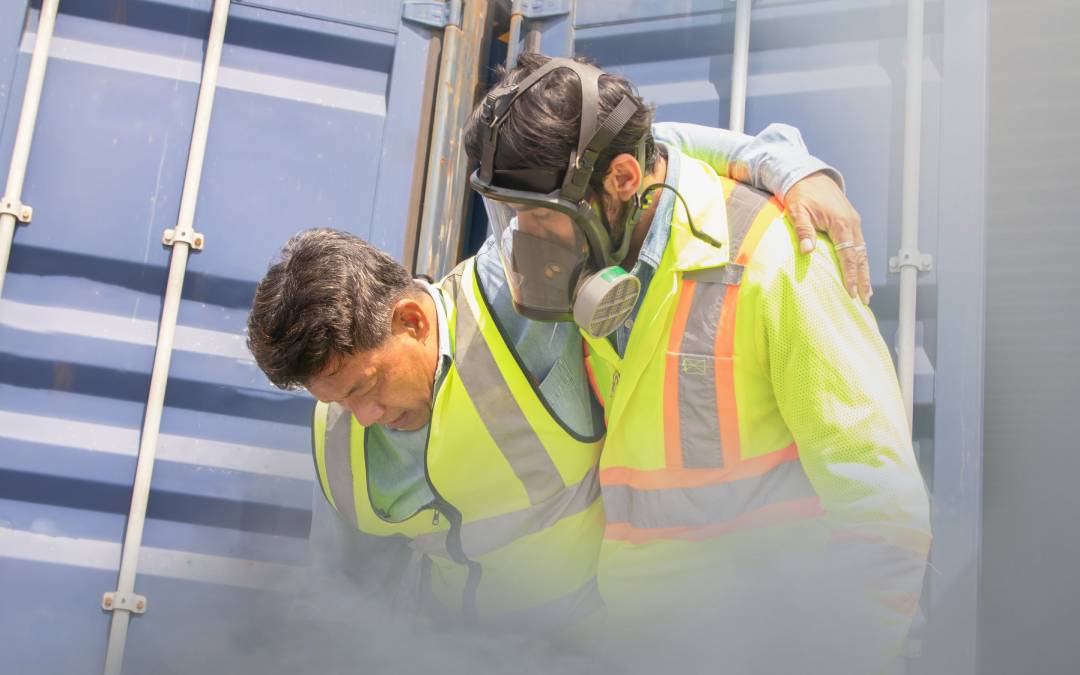
Awareness of the unique natural gas smell—often compared to rotten eggs—caused by the odorant added for safety is equally crucial. People should also be mindful of bodily symptoms, which can indicate gas exposure. These symptoms include headaches, nausea, dizziness, and shortness of breath. Acting quickly and carefully is imperative when any of these symptoms are seen. Leave the area immediately, avoid using electrical appliances, and get professional help if you notice any indications of a gas leak.
Natural Gas Leak Smell vs. Gas Leak Odor: Key Differences
Accurate identification of leaks and appropriate treatment depends on distinguishing between the natural gas smell and the odorant that has been purposefully introduced. Although natural gas does not smell, gas providers add a unique odor to help identify leaks. Understanding this distinction helps people recognize the added smell and react appropriately when it is present. This information is essential in an emergency since it enables a prompt and well‑informed reaction to possible gas leaks.
As part of our dedication to raising public awareness of gas safety and promoting a safer atmosphere for all, we at Hetek Solutions prioritize educating people about these important distinctions.
What to Do if You Suspect a Gas Leak: How Hetek Solutions Gas Detection System and Services Can Help
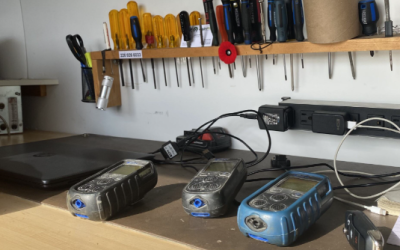
Prompt action is crucial if you suspect a gas leak in any environment. Attempting to address the issue independently poses risks, making it imperative to rely on expert assistance. At Hetek Solutions, we specialize in permanent gas monitoring systems, emphasizing the importance of regular maintenance and calibration for optimal performance.
Our cutting‑edge technology ensures efficient leak detection, providing advanced gas detection equipment and services delivered by knowledgeable professionals. With specialized training in gas detection, our staff ensures an immediate response, mitigating hazards and safeguarding both people and the environment.
A gas leak smell is an alarm that needs to be addressed immediately and requires specialist knowledge. At Hetek Solutions, we put your safety first by offering all‑inclusive solutions—from determining the source and warning signs to implementing advanced gas detection systems. You can rely on us to work together to ensure that your home or business is safe and that you are knowledgeable about gas leaks.