Monitoring gasses in commercial and industrial environments is a crucial part of their operations for gas and water utilities, contractors, and oil and gas companies. Knowing why gas monitoring and sensing are critical helps people stay safe, follow the rules, and be efficient in different industrial situations.
What is Gas Monitoring?
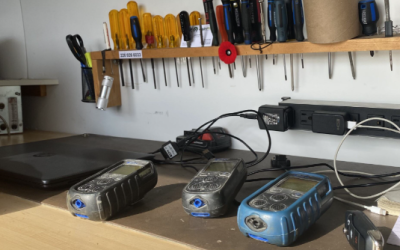
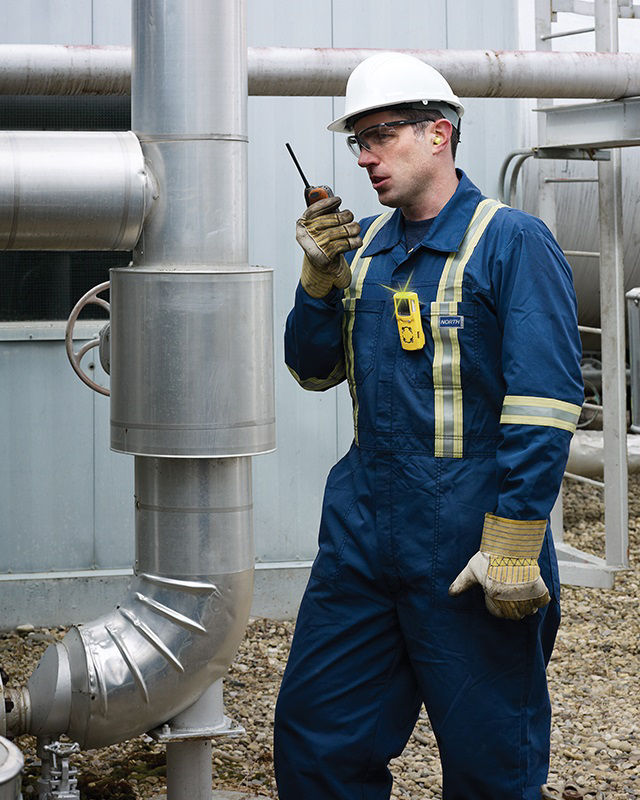
Gas monitoring is the process of detecting and measuring the presence of various gases in an environment to ensure safety, regulatory compliance, and operational efficiency. It is widely used in industries such as oil and gas, manufacturing, and confined space entry to protect workers from toxic, flammable, and asphyxiating gases. Gas monitoring systems can be fixed or portable, depending on the application. Fixed gas detectors are permanently installed to monitor specific areas, while portable gas detectors are used by workers to test conditions in real-time.
Secure Your Site with Reliable Gas Detection
Protect your team and operations with our cutting-edge gas leak detection solutions. Stay compliant and worry-free.
[/et_pb_text][et_pb_button button_url=”@ET-DC@eyJkeW5hbWljIjp0cnVlLCJjb250ZW50IjoicG9zdF9saW5rX3VybF9wYWdlIiwic2V0dGluZ3MiOnsicG9zdF9pZCI6IjE5In19@” url_new_window=”on” button_text=”Contact Us Today” _builder_version=”4.27.4″ _dynamic_attributes=”button_url” _module_preset=”default” custom_button=”on” button_text_size=”18px” button_text_color=”#FFFFFF” button_bg_color=”#4f90b0″ button_border_radius=”23px” button_font=”|700||on|||||” locked=”off” global_colors_info=”{}”][/et_pb_button][et_pb_text _builder_version=”4.27.4″ _module_preset=”default” hover_enabled=”0″ global_colors_info=”{}” link_text_color=”#0C71C3″ sticky_enabled=”0″]How Does a Gas Sensor Work?
A gas sensor detects and measures gas concentrations by analyzing chemical or physical changes in the surrounding air. When a specific gas is present, the sensor triggers a response—either an electrical signal, resistance change, or light absorption variation—which is then converted into a measurable output. Proper gas monitor calibration is essential to maintain accuracy, as factors like temperature, humidity, and sensor degradation can affect performance. Industry standards dictate how often gas monitors should be calibrated, with many requiring calibration before each use or at least monthly. Additionally, a bump test should be performed to verify sensor response before full operation.
Importance of Gas Monitoring Equipment Maintenance
Regular gas monitoring equipment maintenance, including bump tests, calibration checks, and sensor replacements, is crucial to ensure the optimal performance of gas monitoring devices. Poor maintenance can lead to false readings, device failure, or undetected hazardous gas leaks, which can cause harmful gas exposure and safety risks. Calibration frequency depends on the gas type and application, but gas monitors usually require a full calibration every 30 days and bump testing before each use.
Importance of Gas Monitoring Detectors in Industrial Settings
Gas monitoring detectors play a critical role in maintaining safety and compliance within industrial environments. Their value lies in providing real-time information about gas concentrations, enabling personnel to proactively identify potential hazards before they escalate.
- Early Detection and Risk Reduction:
- Gas detectors continuously monitor gas levels, promptly alerting operators to leaks, spills, or other dangerous situations.
- Swift detection allows for immediate action, reducing the likelihood of accidents and minimizing their impact.
- Safeguarding People and Assets:
- These detectors offer a reliable means of identifying and managing gas threats.
- By notifying operators about hazardous conditions, detectors facilitate timely evacuation or intervention, preventing harm to individuals and equipment.
- Regulatory Compliance:
- Gas monitoring ensures adherence to safety standards and regulations.
- Monitoring data provides evidence of compliance, reducing the risk of fines and penalties.
- Health Protection:
- Gas detectors safeguard against health risks posed by exposure to toxic or combustible gases.
- Rapid identification of high gas concentrations allows for timely evacuation, preventing severe health effects.
- Continuous Vigilance:
- Ongoing monitoring provides sustained protection against sudden releases or leaks.
- Personnel working near gas-prone areas can feel secure knowing vigilant protection is always in place.
In summary, gas monitoring detectors are indispensable tools for maintaining safety, compliance, and well-being in industrial settings.
For a more detailed overview about general gas safety, please read our blog: The Importance of Gas Safety and How to Detect Gas Leak.
Environmental Contexts for Gas Sensing
Gas sensing is critical in many industries, particularly in engineering and environmental applications. Understanding its role in specific scenarios helps ensure safety, compliance, and operational efficiency.
- Industrial Facilities:
- Gas sensing is indispensable in industrial settings such as refineries, chemical plants, and manufacturing facilities.
- These locations handle hazardous gases, and early detection is critical for ensuring worker safety and preventing equipment damage.
- Gas sensors continuously monitor the environment, providing real-time data to alert operators about potential risks.
- Oil and Gas Exploration:
- In oil and gas exploration, gas sensing technologies are deployed to identify and track specific gases.
- Methane and hydrogen sulfide detection, for instance, can indicate the presence of hydrocarbon reserves or potential risks.
- Accurate gas measurements guide exploration efforts and enhance safety protocols.
- Environmental Monitoring:
- Gas sensors contribute significantly to environmental monitoring efforts.
- They help track air quality, monitor greenhouse gas emissions, and assess pollution levels.
- By providing reliable data, gas sensors enable informed decision-making for environmental protection and regulatory compliance.
- Risk Mitigation and Decision-Making:
- Gas sensing technologies offer critical information about gas concentrations, trends, and potential hazards.
- Armed with this data, engineers and operators can make informed decisions, implement safety measures, and respond promptly to emerging risks.
- Whether it’s preventing accidents, safeguarding health, or complying with regulations, gas sensing plays a pivotal role.
Advanced Gas Monitoring Techniques
Gas monitoring techniques have indeed evolved significantly, leading to the development of sophisticated tools and technologies for gas detection and analysis. Let’s explore some advanced features in gas monitoring:
- Remote Sensing:
- Remote sensing methods utilize non-contact measurements to assess gas concentrations over large areas or distances.
- Techniques such as infrared spectroscopy and laser-based sensors allow precise monitoring without physical contact.
- These tools are particularly useful for detecting gases in challenging or hazardous environments.
- Wireless Monitoring:
- Wireless gas monitors provide real-time data on gas levels and atmospheric conditions across multiple locations simultaneously.
- Operators receive immediate information, enabling prompt responses to changing conditions.
- Alerts can be sent wirelessly, enhancing safety protocols and minimizing response times.
- Data Analytics:
- Complex analytical tools and patterns are employed to process large volumes of gas-related data.
- By analyzing trends, forecasts, and anomalies, operators can make informed decisions.
- Predictive maintenance becomes possible, reducing downtime and evaluating risk factors effectively.
Scalable Gas Sensing Solutions
Scalability is a critical consideration when implementing gas sensing solutions, particularly in dynamic industries with evolving needs. Let’s explore the importance of scalability and its impact on gas monitoring:
- Adaptive Solutions:
- Scalable gas sensing solutions can adapt to changing environmental conditions.
- As requirements shift or new areas need coverage, these solutions can expand seamlessly.
- Whether it’s adjusting sensitivity levels or adding more sensors, scalability ensures flexibility.
- Infrastructure Integration:
- Scalable systems can integrate with existing infrastructure and control systems.
- They connect seamlessly to data networks, allowing real-time monitoring and data exchange.
- This integration enhances overall efficiency and reduces implementation costs.
- From Single Detectors to Networks:
- Scalability accommodates diverse scenarios:
- Starting with a single gas detector for localized monitoring.
- Scaling up to a network of sensors covering an entire facility or multiple sites.
- Organizations can tailor their gas monitoring strategy based on specific needs.
- Scalability accommodates diverse scenarios:
- Safety and Compliance:
- Gas monitoring is vital for safety and regulatory compliance.
- Scalable solutions ensure consistent coverage across various operational areas.
- By expanding as needed, organizations maintain safety standards even in dynamic environments.
Hetek Solutions provides industry-leading gas monitoring equipment to ensure safety, compliance, and efficiency in your operations. Our team can help you select and implement the right solution for your specific needs. Contact us today to find the best gas monitoring technology for your business.
[/et_pb_text][/et_pb_column][/et_pb_row][/et_pb_section]