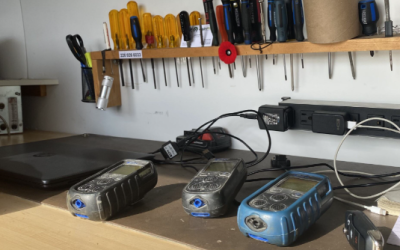
Gas detector calibration is essential for ensuring the accuracy and reliability of gas detectors, which play a critical role in protecting workers across industries. Regular calibration is necessary to detect harmful gases accurately and ensure that gas detectors and gas quantification devices like the Hetek Flow Sampler respond properly under various conditions. Environmental factors, such as temperature and humidity, can affect sensor performance, making regular calibration a key part of gas detector maintenance.
This post covers the calibration process, how to calibrate your gas detector, and the recommended calibration frequency to optimize performance. Additionally, performing regular bump tests can help verify detector functionality and maintain consistent gas concentration readings.
Maintain Precision and Avoid Inaccurate Gas Readings
Gas sensors can become inaccurate due to sensor drift, contaminants, or environmental changes. Regular bump tests and calibration with a known concentration of gas help ensure your instrument meets safety specifications and performs reliably in critical conditions.
Why Should You Calibrate Gas Detectors?
Calibrating gas detectors is crucial to ensure accurate and reliable readings. Over time, sensors can drift, reducing their precision. Regular calibration corrects these drifts, ensuring the detector provides accurate data and protects workers from hazardous conditions.
What Happens During the Gas Detector Calibration Procedure?
Gas detector calibratin begins with preparing a clean environment to avoid contamination. The device is exposed to a known concentration of test gas, typically from a controlled cylinder, establishing a reference point for accuracy.
Technicians monitor the detector’s response. If readings fall within industry standards, the device is functioning correctly. If not, adjustments are made—such as tweaking sensor settings or recalibrating detection circuitry—to ensure accuracy. Alarm systems are also checked to confirm they trigger at appropriate thresholds, ensuring timely warnings during emergencies.
Upon completion, the device receives a certificate of accuracy and reliability, ready to protect workers from hazardous gases.
Benefits of Routine Gas Detection Calibration
- Ensures Accuracy: Maintains reliable readings, which are critical during emergencies.
- Prolongs Device Life: Keeps detectors in good working condition, extending their lifespan.
- Regulatory Compliance: Helps meet safety regulations and standards, avoiding costly penalties and enhancing workplace safety.
How Often Should Gas Detectors Be Calibrated?
Calibration frequency depends on factors such as the type of detector, environmental conditions, and gas exposure levels. Manufacturer guidelines are crucial and should be followed closely. Generally, gas detectors should be calibrated at least every six months. However, more frequent calibration may be necessary in environments with high gas exposure or extreme conditions.
Ensure Sensor Accuracy With Regular Gas Detector Calibration
Hetek Solutions knows how important it is to keep your gas detectors working correctly. Gas detector calibration ensures your equipment gives accurate readings and keeps your team safe. Regular calibration helps ensure detectors work well, even in different environments.
It’s important to follow manufacturer guidelines and adjust your detectors as needed to keep them functioning properly. Performing routine bump tests and calibration will prevent incorrect readings that could lead to safety issues.
Don’t wait for problems—contact us today to ensure your detector’s performance is at its best.