In November 2021, the White House Office of Domestic Climate Policy introduced its Methane Emissions Reduction Action Plan, proposing “critical and commonsense steps to cut pollution and consumer costs, while boosting good-paying jobs and American competitiveness.” The action plan targets methane reduction in several sectors, including oil & gas, waste management, mining, and agriculture.
Key Provisions and Requirements
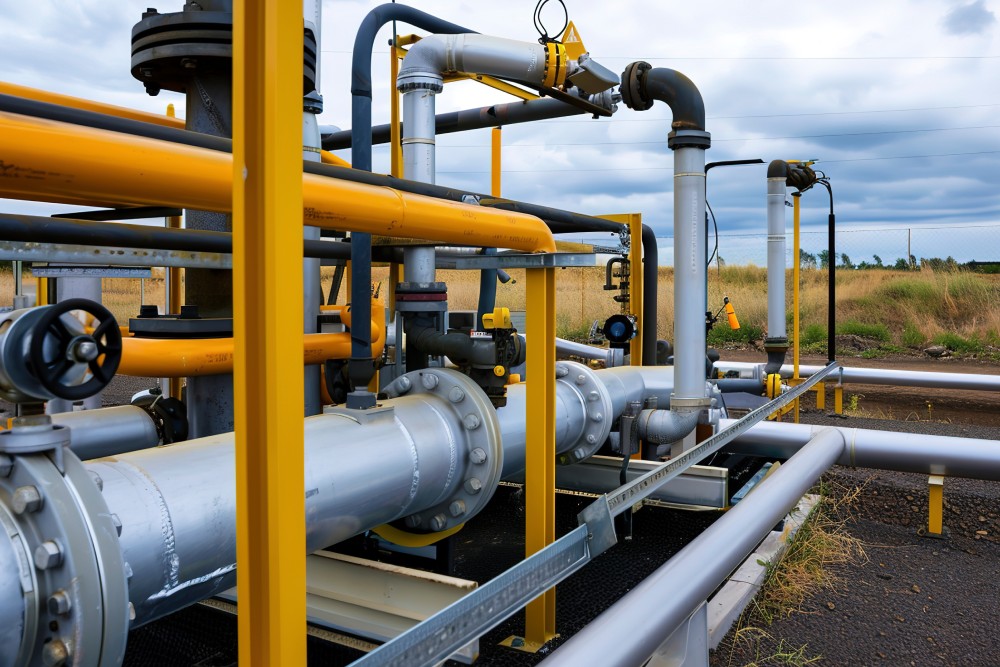
The Action Plan aims to reduce methane emissions in U.S. oil & gas operations. This sector is the largest industrial source of methane emissions in the country, responsible for about 30% of the national total. Under the provisions of the Action Plan, government agencies are taking steps to:
- Reduce venting, flaring, and well leaks by requiring operators to pay royalties for vented or flared gas.
- Boost pipeline safety through three new rules: the Gas Gathering Pipeline Safety Rule, the Automatic Shut-off Valve Rule, and the Gas Transmission Pipeline Safety Rule.
These rules require new safety guidelines for a substantial portion of pipelines to reduce emissions of greenhouse gases. They mandate rupture mitigation valves or similar technologies and establish performance standards for their operation. They also introduce measures to reduce leak frequency by addressing integrity management, corrosion control, inspection mandates, and management assessments.
Strategies for Compliance and Implementation
Under the Action Plan and related legislation, companies in the oil & gas sector will need to:
- Introduce measures to reduce venting and flaring, supported by reliable reporting.
- Implement new safety guidelines for gathering pipelines.
- Install and monitor rupture valves where required.
- Develop or improve pipeline monitoring and maintenance plans to control corrosion and detect leaks.
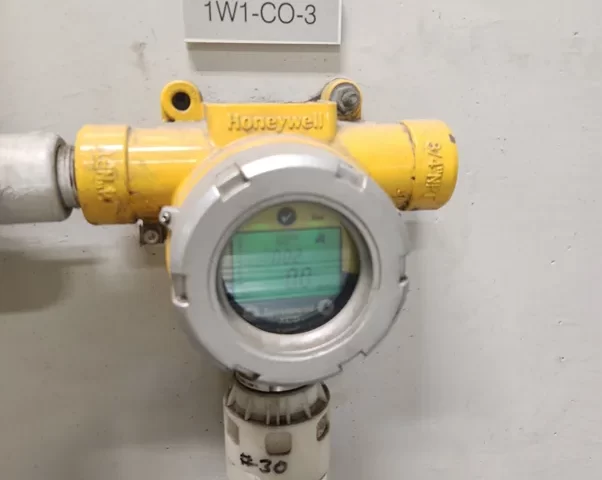
Precise, science-based measurement is essential for reduction and mitigation strategies, requiring tools such as flow samplers and methane gas monitors.
Long-term Environmental and Economic Impacts
According to the Action Plan, methane is a far more destructive greenhouse gas than carbon dioxide. It makes up roughly 30% of emissions contributing to climate change. Reducing methane levels supports national net-zero goals, reduces environmental impact, and helps mitigate global warming.
Lower methane emissions also reduce other pollutants such as benzene, toluene, ethylbenzene, and xylene, further decreasing overall greenhouse gas levels. The downstream effects of the Action Plan could significantly benefit the environment and public health.
Hetek Solutions Inc. offers all the tools needed for accurate gas emission measurement—an essential part of compliance with the Methane Emissions Reduction Action Plan. Contact us for more information on our products and solutions designed for precise, compliant leak detection and repair.