Greenhouse gases (GHGs) are warming the planet faster than ever, with methane – a primary component of natural gas – being over 80 times more potent than carbon dioxide at trapping heat over a 20-year period. Shockingly, studies show that even a 0.2% methane leakage makes the climate impact of natural gas comparable to coal. Yet, methane leaks often go unnoticed, contributing to climate change in ways that could be prevented.
Hetek Solutions recognizes the urgency of this issue. With decades of expertise in gas leak detection and repair and cutting-edge tools, we help industries combat methane emissions at the source. But reducing GHG emissions is about more than just detecting leaks – it requires all of us to take holistic, sustainable steps. Let’s explore the science, impacts, and solutions for reducing greenhouse gas emissions below.
What Are Greenhouse Gases?
Greenhouse gases (GHGs) are gases that trap heat in the earth’s atmosphere, creating the ‘greenhouse effect’ that warms the planet. While some GHGs occur naturally, human activities (burning fossil fuels, deforestation, and agriculture) have caused their levels to spike.
Common Greenhouse Gases:
- Carbon Dioxide (CO₂): Released by burning fossil fuels; the most abundant GHG.
- Methane (CH₄): Far more potent than CO₂; produced by natural gas leaks, agriculture, and landfills.
- Nitrous Oxide (N₂O): Released from agricultural and industrial activities.
- Fluorinated Gases: Synthetic industrial gases with extremely high warming potential.
While CO₂ gets the most attention, methane deserves urgent focus due to its intensity and contribution to short-term warming. Hetek Solutions’ leak inspection services help reduce methane emissions significantly by tackling leaks in natural gas infrastructure.
Why Should We Reduce Greenhouse Gas Emissions?
Reducing GHG emissions is essential for environmental protection, human health, economic stability, and the survival of ecosystems.
- Combat Climate Change: Unchecked GHGs drive rising temperatures, extreme weather, wildfires, and sea level rise. Methane leaks alone contribute significantly to natural gas’s climate impact.
- Improve Air Quality: Methane leaks often release other harmful pollutants, reducing air quality and increasing health risks.
- Economic Savings: Methane leaks waste valuable resources. Fixing them reduces emissions and saves money for energy companies and municipalities.
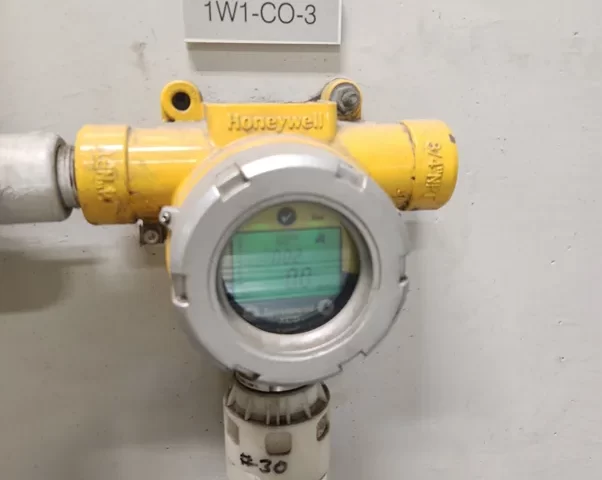
From homeowners to major gas distributors, reducing emissions benefits everyone. With Hetek’s specialized services, we offer a critical step in this fight by ensuring natural gas pipelines stay leak-free using fixed gas detection systems.
How to Reduce Greenhouse Gases
Here are two practical ways to cut emissions, whether at home or in major infrastructure projects:
Generate Electricity Without Emissions
Energy production is one of the biggest sources of GHG emissions. Clean energy sources like wind, solar, and hydroelectric reduce reliance on fossil fuels and slash emissions.
Why this matters: Traditional electricity generation emits vast amounts of CO₂. Clean energy technologies are advancing rapidly, offering opportunities to generate electricity without emissions while reducing long-term costs.
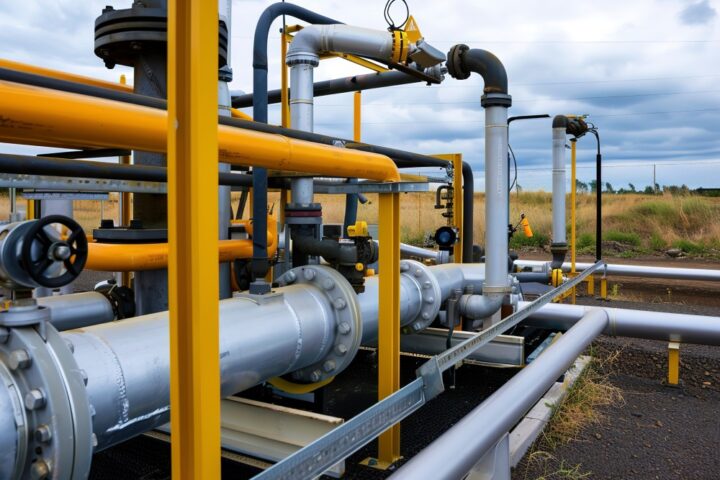
Infrastructure owners should also address methane leaks in natural gas lines to ensure systems lose as little gas as possible. Hetek Solutions supports this goal with advanced pipeline inspections that identify and repair leaks efficiently.
Reduce Household Waste
Managing waste at home can significantly reduce GHG emissions.
Steps to Reduce Waste:
- Composting: Prevents methane generation by diverting organic waste from landfills.
- Recycling: Manufacturing from recycled materials uses less energy and emits less CO₂.
- Buy Less: Practice conscious consumption—repair items instead of replacing them.
Fight Methane Leaks with Hetek Solutions
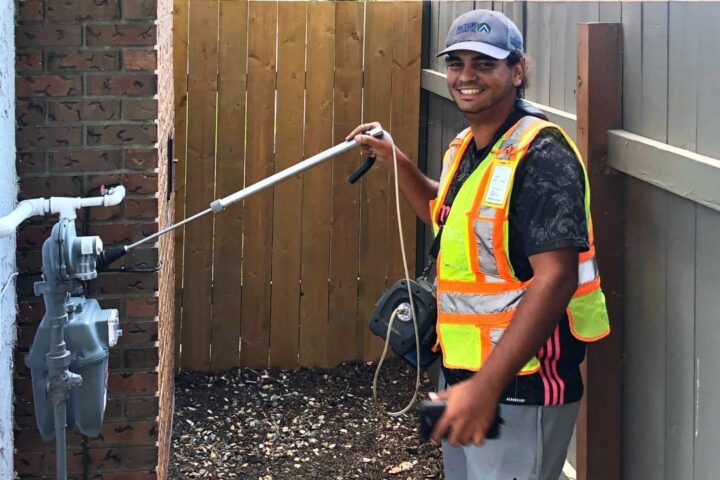
Reducing greenhouse gas emissions requires bold action – and Hetek Solutions is here to help. Our expertise in gas leak inspection, using advanced tools like GasOps® software and GPS-enabled instruments, ensures that methane leaks from natural gas infrastructure are identified and resolved swiftly.
Contact us today to learn about our natural gas field services, detection solutions, infrastructure monitoring, and emission reduction methods.