For employees and contractors working with gas and water utilities, in the energy sector, or in construction, safety must include awareness of gas hazards. Recognizing the dangers of gas leaks and implementing measures to detect, prevent, and handle leaks ensures the safety of both the public and employees. Understanding the various devices used for detecting gas leaks is crucial to becoming familiar with gas hazard awareness. This guide includes information on types of gas detection instruments, their usage, and their maintenance.
A Look Into Gas Dangers and Safety Measures
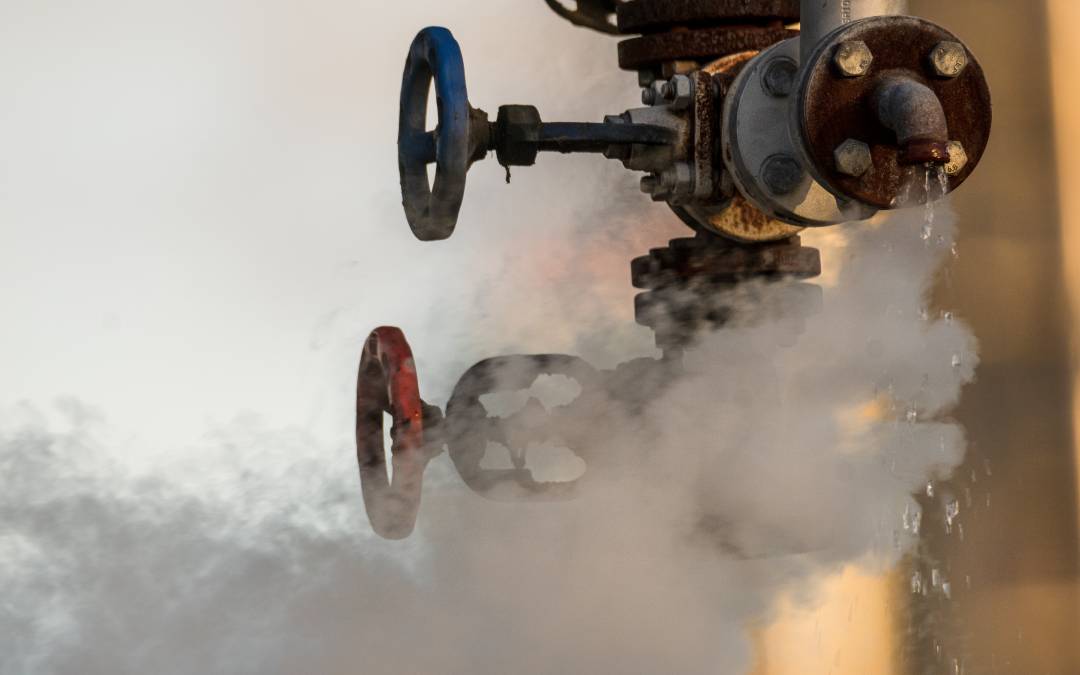
The risk of a gas leak is present whenever one is working with or around gases that are flammable or poisonous. The results of an unnoticed leak can be severe and include illness, unconsciousness, death, and property damage. Gases are used in various applications such as refineries, chemical factories, and natural gas sites. They may also be present in less obvious places such as water and wastewater treatment plants, arenas, grocery stores, garages, distribution centers, hospitals, and many other locations where gas leak risks may not be top of mind.
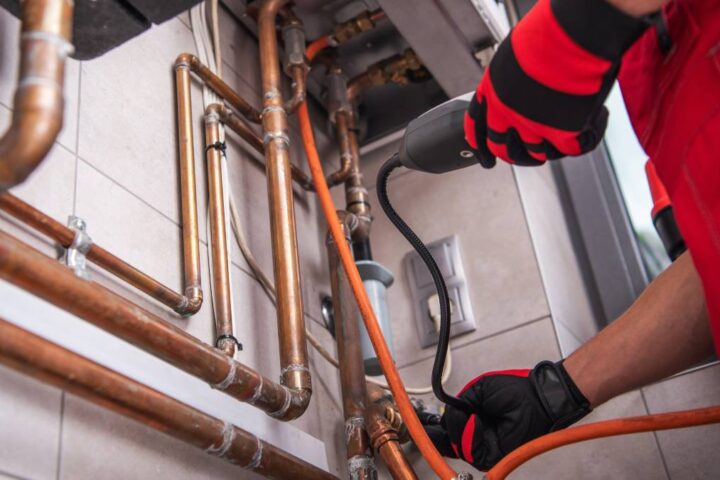
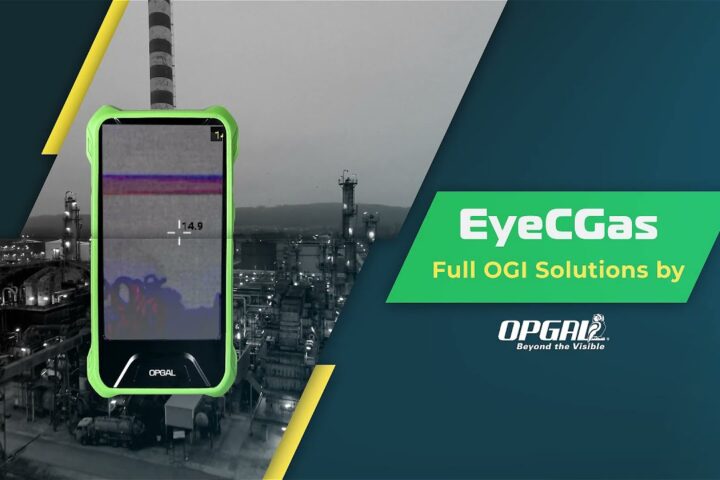
To lessen the dangers associated with gas leaks, strong safety precautions should be taken. Periodic surveys of facilities using portable gas detectors or optical gas imaging cameras are vital for proactively identifying leaks before they become urgent. Fixed gas detection systems continuously monitor gas levels and provide early alerts for possible leakage issues. Personal gas monitors worn by personnel allow immediate detection and alert individuals to leave the area before gas levels become dangerous.
Personnel training is crucial to ensure workers understand gas hazards and how to react appropriately in the event of a leak. Training programs should include gas detection principles, emergency procedures, and proper use of personal protective equipment (PPE). Workers must be skilled in using detection devices and understand why following safety rules is essential.
Staff must wear the correct PPE to reduce dangers from exposure to hazardous gases. This may include a personal gas monitor, respiratory protection such as gas masks or respirators, protective clothing, and eye protection. Regularly checking PPE for damage—and performing routine bump tests and calibrations on personal gas monitors—is essential to ensure all equipment is functioning properly.
Organizations must also create emergency response plans for handling gas leak emergencies. These plans should include evacuation procedures, steps to secure the area, and communication protocols with emergency services. Frequent drills are essential to test the effectiveness of these plans and ensure personnel respond quickly and appropriately during a gas leak emergency.
By making gas hazard awareness a top priority and establishing strong safety precautions, organizations can reduce the dangers of gas leaks and create safer work environments. Regular training, audits, and emergency drills are essential to fully managing gas safety.
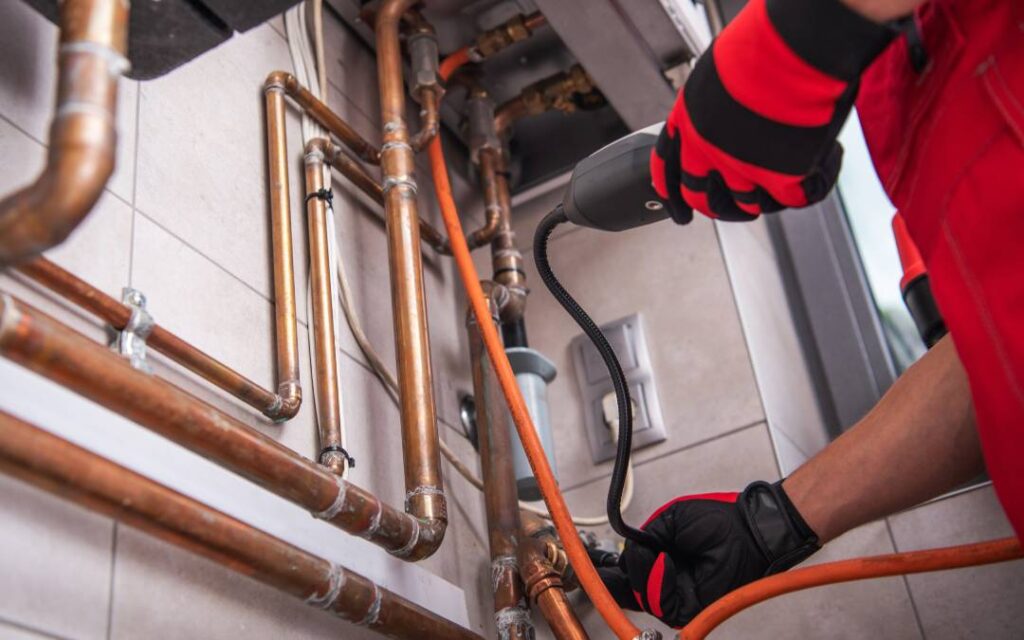
The Different Types of Gas Leak Detection Devices
Many types of gas detection devices are used to protect people and property across various industries. These tools use different technologies to accurately determine gas concentrations and enable quick action if a leak occurs.
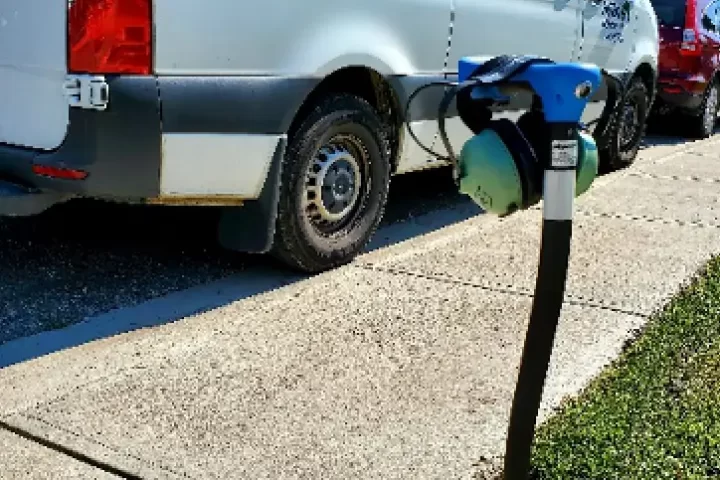
Fixed gas detectors are permanently installed in areas with a high likelihood of gas leaks. They continuously monitor gas levels and are often integrated with building management systems, providing both visual and audible alarms.
Personal gas moniors are worn by workers and provide immediate alerts when dangerous gas levels are detected. These devices are essential for individual safety, especially in confined spaces or high‑risk environments.
Area gas monitors cover larger spaces and provide real‑time readings in restricted or outdoor areas. They are commonly used in storage facilities, warehouses, production floors, or during maintenance shutdowns. Area monitors often use mesh networks to communicate alarms across wide zones, including integration with personal gas monitors.
Choosing the right gas detector requires understanding each device’s capabilities and limitations. Consider the type of gas being monitored, environmental conditions, and required sensitivity. Using the correct detection equipment helps reduce gas‑related dangers and ensures safer workplaces.
The Right Gas Leak Detector in Various Applications
Selecting the appropriate gas leak detector is essential for effective performance and safety. The first consideration is the type of gas being monitored, as each detector has specific detection limits and response characteristics. Some detectors are designed for flammable gases like methane or propane, while others are suited for toxic gases such as hydrogen sulfide or carbon monoxide.
Environmental conditions also play a major role. Temperature, humidity, and airflow can affect detector performance. In extreme environments, detectors with enhanced durability may be required to ensure reliable operation.
Application‑specific needs must also be considered. Industries with explosive gases may require intrinsically safe detectors to prevent ignition. Emergency response situations or confined space entry may require detectors with fast response times and high sensitivity.
Several factors influence detector performance, including cross‑interference from other gases, sensor age, battery condition, and calibration frequency. Regular maintenance—such as sensor replacement, battery checks, and calibration—is essential to ensure accurate readings. Proper training ensures personnel use and maintain detectors correctly.
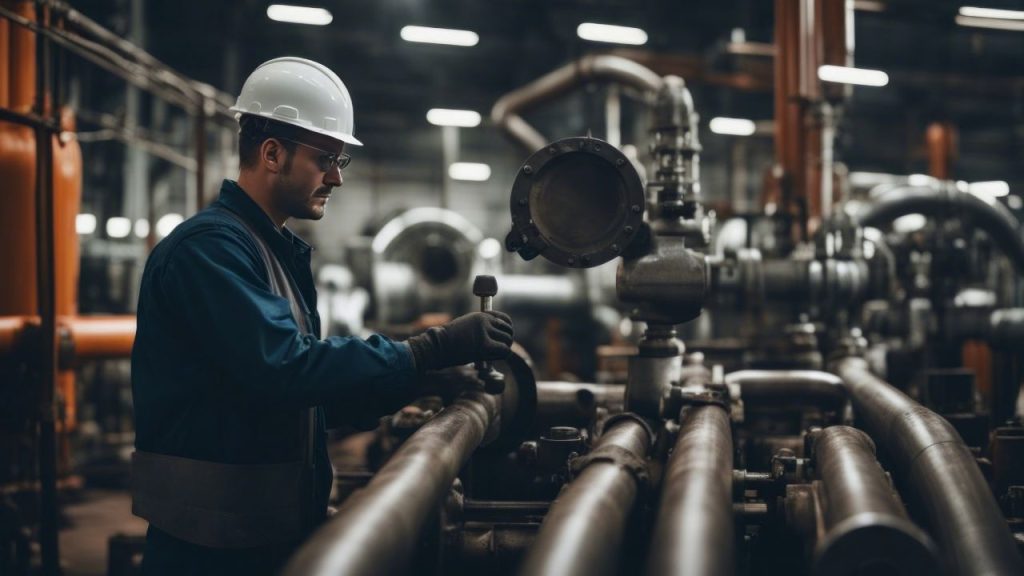
The Importance of Fixed Gas Detectors in Ensuring Safety
Fixed gas detectors are essential in environments with a high likelihood of hazardous gases. Permanently installed, they continuously monitor gas levels and provide early warnings of leaks or dangerous atmospheric conditions. A well‑designed and well‑maintained fixed gas detection system significantly enhances safety for workers and the public.
The primary advantage of fixed detectors is continuous monitoring. Unlike portable detectors that rely on sampling, fixed detectors provide constant surveillance and immediate alerts when gas concentrations change. This rapid detection allows quick action to reduce risks and prevent accidents.
Fixed detectors are strategically placed in high‑risk areas such as storage tanks, processing equipment, and confined spaces. Monitoring these zones helps organizations take proactive steps to reduce exposure to hazardous gases.
Fixed detectors also support proactive safety management by providing historical data on gas levels. This information helps identify trends, potential hazards, and opportunities to improve safety protocols.
What You Need to Know About Gas Monitoring and Sensing
Gas monitoring and sensing are essential for managing safety in industries where hazardous gases pose risks to workers and facilities. Understanding the basics of gas monitoring and sensing is crucial for implementing effective safety measures.
Gas monitoring involves continuously measuring gas concentrations to detect deviations from safe levels. Fixed and portable detectors monitor flammable, toxic, and oxygen‑deficient atmospheres, enabling organizations to respond quickly to leaks or abnormal conditions.
Gas sensing refers to detecting and measuring specific gases using sensor technologies. Sensors detect changes in physical or chemical properties such as conductivity, resistance, or optical absorption. Common sensor types include electrochemical, semiconductor, catalytic bead, infrared, and photoionization (PID), each with unique strengths and limitations.
Gas monitoring systems typically include sensors, transmitters, controllers, alarms, and data‑logging devices. These components work together to monitor gas levels, trigger alarms, and store data for analysis. Advanced systems may include wireless communication, cloud‑based monitoring, and analytics to enhance performance.
To improve safety and efficiency in your gas detection systems, reach out to Hetek Solutions for expert guidance and dependable support. Our team can help you select the right equipment, implement effective monitoring strategies, and maintain compliance with safety regulations. Don’t compromise on safety—contact Hetek Solutions today.