
LDAR training is crucial for the safe and efficient operation of gas companies, refineries, and other related facilities. It helps protect gas workers, surrounding communities, and the environment by ensuring proper emissions reduction and environmental compliance. Through monitoring, inspection, and repair requirements, this training prepares operators to identify and address fugitive methane emissions and other equipment leaks, promoting a proactive approach to leak detection and prevention.
Integrating tools such as a methane gas monitor into training and operations enhances the accuracy of methane detection, reinforcing the effectiveness of LDAR programs. In this article, we explore the significance of LDAR training in ensuring the effectiveness of LDAR programs and its impact on both operational safety and sustainability in the industry.
Learn More About Our LDAR Training Programs
Why Is LDAR Training So Important for Worker Safety?
Gas leak detection and repair (LDAR) work carries significant risks, as gas leaks can lead to severe hazards such as fires or explosions. Training programs provide workers with essential knowledge on identifying potential danger spots within a facility and taking appropriate actions when they find leaks.
Gas safety instruction ensures that individuals understand the dangers associated with various types of gases. The knowledge gained helps workers identify risks related to water leak detection or improper handling methods while ensuring proper response in case of incidents.
Adherence to government regulations is critical, and specialized training ensures workers fully comprehend their responsibilities, including recognizing hazards promptly and taking necessary steps during emergencies. Ongoing training equips workers with the skills to stay updated on new techniques for identifying leaks and carrying out repairs effectively without harming the environment. It also familiarizes them with modern technologies, enhancing performance and reducing risks.
The Importance of Repair and Calibration in LDAR Training
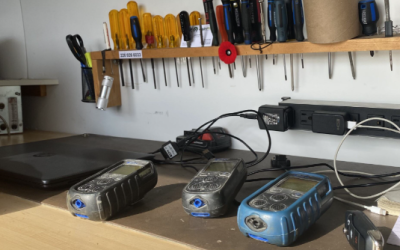
Proper repair and calibration are critical components of effective LDAR training. Workers must be proficient not only in identifying gas leaks but also in ensuring that detection equipment is calibrated correctly for accurate measurements.
Regular repair and calibration help maintain the reliability and effectiveness of leak‑detection systems, ensuring compliance with safety standards. This training ensures workers can perform necessary repairs promptly, minimizing downtime and the risk of undetected leaks. By mastering these procedures, workers contribute to overall operational safety and long‑term sustainability.
Ensuring Worker Safety Through Effective Gas Leak Detection Training
Effective training enables gas facility staff to detect and repair gas leaks before they become major hazards. The main benefits include:
- Improved Awareness of Hazards: Workers learn the risks associated with gas leaks, such as explosions, fires, and toxic exposure.
- Skill Development: Training builds the ability to handle detection equipment, interpret data accurately, and perform quick repairs.
- Emergency Response: Trained workers react swiftly during emergencies, protecting people and infrastructure.
- Personal Safety Gear (PPE): Training emphasizes correct use of personal safety gear.
- Safety Protocols: Programs instill adherence to safety procedures, fostering a culture of vigilance.
The Role of Training in Maintaining Regulatory Compliance
LDAR programs ensure businesses comply with national and regional gas industry regulations. Comprehensive LDAR training keeps personnel updated on the latest standards and teaches them how to document activities accurately for audits.
By implementing LDAR training, facilities ensure compliance with regulations from bodies like the U.S. EPA and API. Proper training enables workers to effectively use tools such as OGI cameras and the Hetek Flow Sampler to identify and address leaks, improving emissions reduction and detection reliability.
With regular training supported by strong technical knowledge, the gas sector can enhance its ability to control emissions effectihttps://www.hetek.com/hi-flow-samplervely while ensuring compliance. For more information on LDAR training programs and how Hetek Solutions can enhance your gas detection capabilities, please contact us.
FAQ’s About LDAR Training and Leak Detection
Why is the Hetek Flow Sampler Important in LDAR Training?
The Hetek Flow Sampler plays a vital role by helping workers identify and measure gas leaks accurately. It provides a reliable method for quantifying methane and other emissions, ensuring trainees learn how to use this tool effectively.
How Do Repair and Calibration Factor Into Effective LDAR Training?
Repair and calibration ensure detection equipment functions accurately. Regular calibration maintains precision, which is crucial for compliance. Training teaches workers how to calibrate equipment properly to ensure reliable measurements.
What Role Does Gas Leak Detection and Repair Play in LDAR Training?
Gas leak detection and repair are central to LDAR training. Workers learn to operate detection equipment, interpret results, and address leaks before they escalate into dangerous situations.
How Does Water Leak Detection Complement Gas Leak Detection in LDAR Training?
While gas leak detection is the primary focus, water leak detection also plays a complementary role. Both types of leaks can cause significant hazards if left unchecked. Training includes techniques for identifying water leaks alongside gas leaks, promoting safer and more efficient operations.