It’s easy to overlook the potential dangers of gas leaks until they’re right in front of you. Understanding the effects of gas leaks and how to act proactively is essential for ensuring safety at home, work, and across industrial facilities. Let’s break down the specific health and environmental harms gas leaks can cause, and how regular monitoring through professional gas leak detection and repair services can make a difference.
Gas Leak Health Effects
When you think of a gas leak, you might only picture the familiar smell of rotten eggs. However, the health risks associated with these leaks are far more pervasive than just an unpleasant odor. The effects of natural gas exposure may not always have an immediate impact but can lead to long-term health concerns if not addressed promptly.
Recognizing the Health Symptoms of a Gas Leak
Gas leaks can cause serious risks to both health and safety, making early detection critical. Gas leak signs include a hissing sound, sulfur-like odors, or a pilot light that won’t stay lit. If you suspect a gas leak in your home, you may notice physical symptoms such as:
- dizziness
- headaches
- nausea
Prolonged exposure can lead to severe symptoms, including fatigue and unconsciousness. Even mild cases require immediate action. To ensure natural gas safety, install a carbon monoxide detector and schedule yearly inspections of gas appliances and pipelines.
If a leak is suspected, leave the area immediately, open windows, and call your gas company or fire department. Never attempt repairs yourself or create sparks near a suspected leak.
Common Health Issues Caused by Gas Leaks
Persistent leaks can displace oxygen indoors. As oxygen levels drop, the body struggles to function, leading to fatigue, unconsciousness, or even death. Carbon monoxide—a deadly byproduct of natural gas combustion—is another major risk. It’s odorless, colorless, and extremely dangerous.
Symptoms of carbon monoxide poisoning include confusion, dizziness, weakness, and nausea. Long exposure can cause permanent damage or be fatal.
Workers in industrial environments or confined spaces face even higher risks due to exposure to methane, VOCs, and other gases. Long-term exposure can lead to chronic respiratory issues and even cancer.
Environmental Effects of Gas Leaks
The effects of gas leaks extend beyond human health—they’re incredibly damaging to the environment. Even small leaks can cause severe ecological degradation over time.
Methane, a potent greenhouse gas, is often released during natural gas leaks. It traps heat 25 times more effectively than carbon dioxide, meaning even small leaks can significantly contribute to climate change.
Fugitive emissions also worsen air quality, deplete ozone, and harm wildlife. Soil and water systems can become contaminated, impacting crops and ecosystems.
How Gas Leaks Impact the Environment
Methane released from leaks accelerates climate change, contributes to smog, and degrades air quality. Wildlife and ecosystems suffer from contaminated soil and water. Regular monitoring of pipeline routes is essential to prevent widespread harm.
The Importance of Gas Leak Detection Services
With both human health and environmental safety at stake, rapid detection of leaks is non-negotiable. Professional gas leak detection services play a crucial role in identifying leaks early.
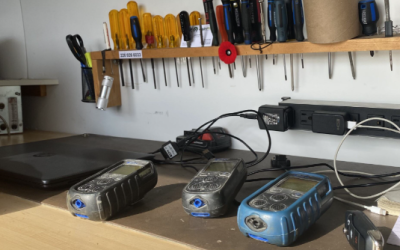
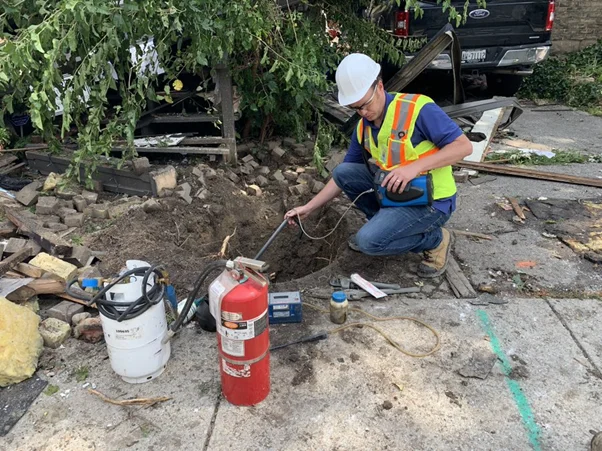
Hetek uses advanced tools such as infrared cameras, mobile leak detection units, handheld instruments, continuous monitoring devices, and Hi-Flow Samplers to locate and quantify leaks quickly.
Preventing Gas Leaks Through Regular Monitoring
Prevention is always better than reaction. Here are the best practices to follow to prevent gas leaks:
- Scheduled Inspections: Regular equipment inspections help detect early damage.
- Invest in Advanced Technology: Tools like methane detectors, infrared cameras, and flow sampling devices catch small leaks early.
- Train Personnel: Proper training ensures operators can identify and respond to leaks.
- Act on Alarms: Never ignore warning signs—contact professionals immediately.
The Consequences of Undetected Gas Leaks in Facilities
Ignoring a gas leak can have devastating consequences. Fires, explosions, shutdowns, and product loss are all possible outcomes. Undetected leaks also increase environmental harm and long-term health risks.
Hetek provides solutions and services to safeguard facilities, health, and the environment. Contact us to learn more about gas leak effects and our field and maintenance services.
Reduced Oxygen and Breathing Problems
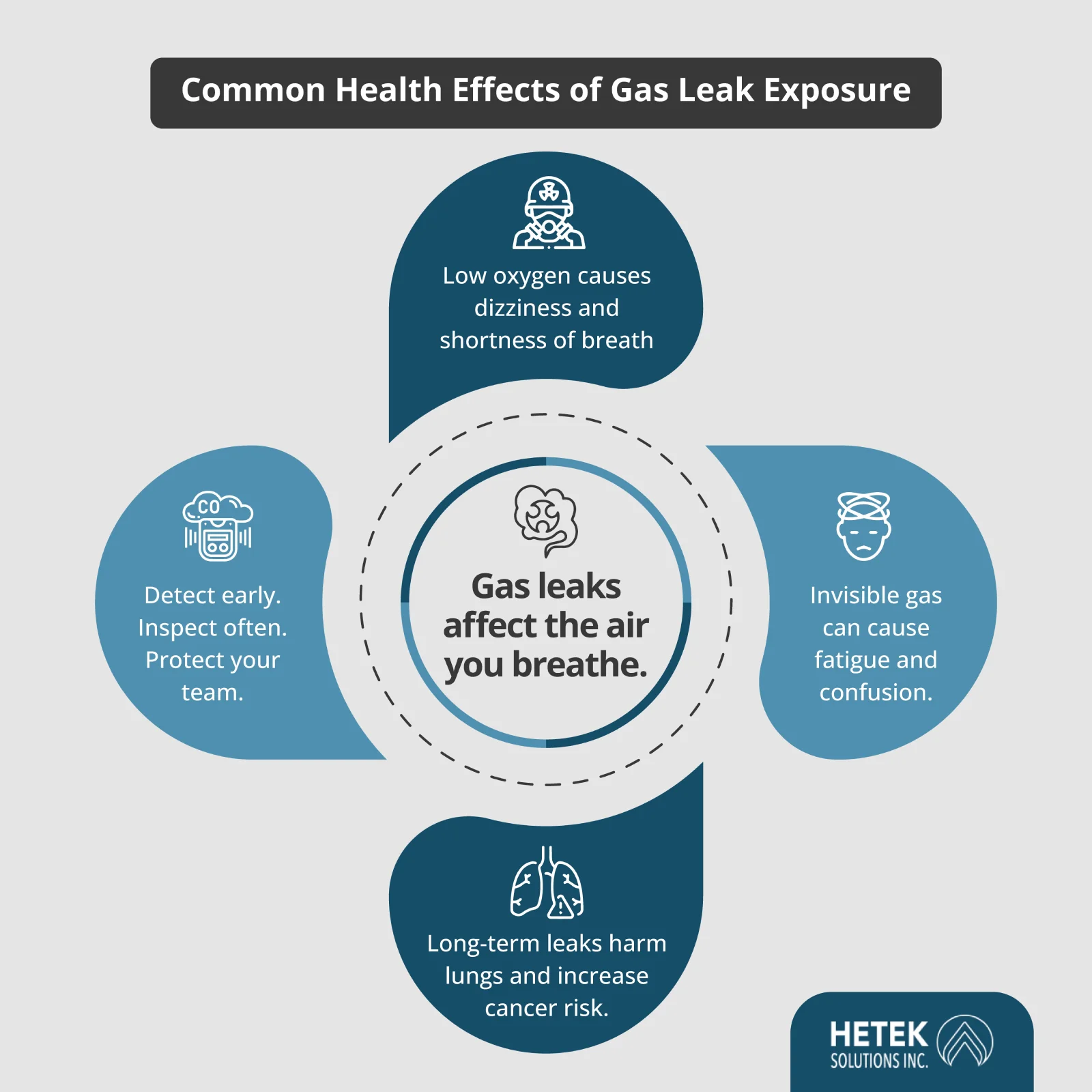
Natural gas leaks push oxygen out of the air, causing shortness of breath, dizziness, and fatigue. In extreme cases, prolonged exposure may lead to suffocation.
Carbon Monoxide Poisoning
Carbon monoxide is invisible and odorless. Symptoms mimic the flu—headaches, nausea, confusion—and prolonged exposure can be fatal.
Industrial Exposure and Long-Term Risks
Industrial environments pose greater risks due to methane, VOCs, and hydrogen sulfide exposure. Chronic respiratory irritation, reduced lung function, and long-term illnesses can develop.
Preventing Health Risks Before They Start
Regular inspections, reliable detection systems, and professional maintenance help stop leaks before they cause harm. If symptoms appear, move to a safe location immediately and call 911.
Environmental Effects of Natural Gas Leaks
Natural gas leaks harm ecosystems and contribute to climate change. Methane traps heat 25 times more effectively than CO₂. Fugitive emissions degrade air quality, damage crops, and contaminate water systems.
The Importance of Natural Gas Leak Detection Services
Reliable detection is essential for safety and compliance. Hetek’s programs combine advanced tools, continuous monitoring, and trained technicians to locate leaks accurately.
Our Detection Capabilities Include:
- Infrared Cameras
- Mobile Detection Units
- Handheld Instruments
- Continuous Monitoring Systems
We also use tools such as the DPIR, EyeCGas 2.0 VOC Detector, and Hi-Flow Sampler.
Why Professional Detection Matters
- Protects workers and facilities
- Improves accuracy
- Supports sustainability
- Ensures compliance
Hetek technicians detect leaks with precision, reducing emissions and improving safety.
Best Practices for Preventing Natural Gas Leaks
- Schedule Routine Inspections: Annual check-ups detect early damage.
- Use Advanced Detection Tools: Modern technology increases accuracy.
- Train Your Team: Awareness builds strong defense.
- Act Immediately on Alerts: Quick action prevents downtime.
FAQ
Can small natural gas leaks be ignored?
No. Even minor leaks release methane, which harms health and contributes to climate change.
What are the long-term health risks of exposure?
Respiratory problems, fatigue, neurological damage, and cognitive impairment.
Who should I contact if I suspect a leak?
Evacuate, avoid switches, open windows, and call your gas provider or fire department.
Detect Leaks Before They Escalate
Learn how early detection systems reduce safety risks and emissions.
Explore Natural Gas Leak Detection Solutions
Strengthen Your Gas Safety Program
Learn proven detection and monitoring strategies from industry experts.